image via JewishStandard.timesofisrael.com
There are certain wine regions that seem to receive endless attention. France. Italy. Spain. Napa Valley. We hear about them constantly, and rightfully so. They have earned their place in the conversation. But there is one wine-producing country that continues to surprise me, impress me, and frankly deserves far more recognition than it currently receives: Israel.
As a sommelier, I taste wines from all over the world. Most regions have fantastic wine. Some producers are exceptional while others leave little impression, but thats also opinions. What continues to amaze me about Israeli wine is the consistency of quality. I can honestly say that I have yet to encounter an Israeli wine that I truly did not enjoy. That is saying something…
Whether I’m tasting a crisp white from the Galilee, a bold Mediterranean-inspired red, or an innovative blend showcasing indigenous varieties, there is a level of care, precision, and purpose behind these wines that is impossible to ignore. The more Israeli wines I taste, the more convinced I become that they belong in the same conversation as many of the world’s most respected wine regions.
Wine has been part of Israel’s story for thousands of years. Archaeological discoveries and historical records show that viticulture has existed in the region since biblical times. Today’s winemakers are building upon that ancient heritage while embracing modern vineyard management, technology, and sustainability practices.
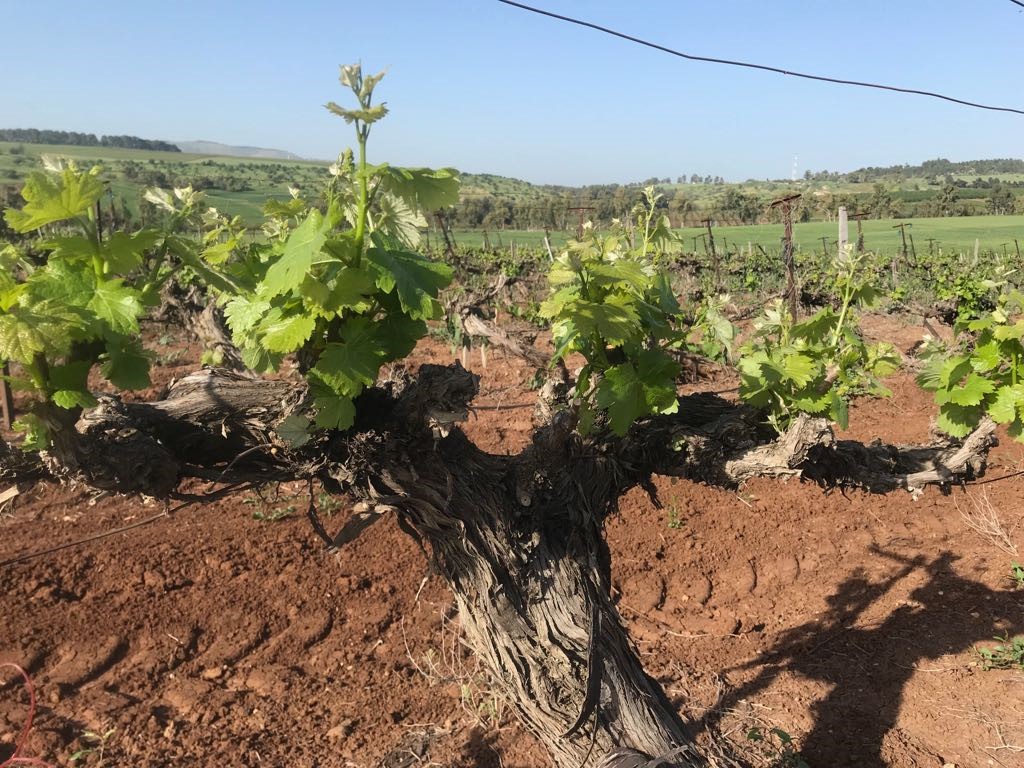
The result is a fascinating combination of old and new. Israel’s diverse growing regions, including the Galilee, Judean Hills, Golan Heights, Sharon, and even portions of the Negev Desert, provide winemakers with an incredible range of terroirs and climates. From high-elevation vineyards to limestone-rich soils and Mediterranean influences, the country offers conditions capable of producing wines with remarkable character and complexity.
One organization helping bring greater awareness to these wines is the Israel Wine Producers Association (IWPA). The IWPA represents dozens of wineries across Israel, ranging from boutique family estates to some of the country’s largest and most recognized producers. Their mission is simple but important: to educate consumers and showcase Israel as a world-class wine-producing nation. For wine lovers looking to learn more about the region, the IWPA has become an excellent resource for discovering producers, grape varieties, and the incredible diversity that exists throughout Israel’s wine landscape. You can learn more through the Israel Wine Producers Association (IWPA).
Tabor Winery, a producer I have long admired and one that consistently reminds me why Israeli wine deserves far more attention on the global stage. Over the years, I have found Tabor’s wines to be expressive, approachable, and reflective of the incredible diversity found throughout Israel’s wine regions.
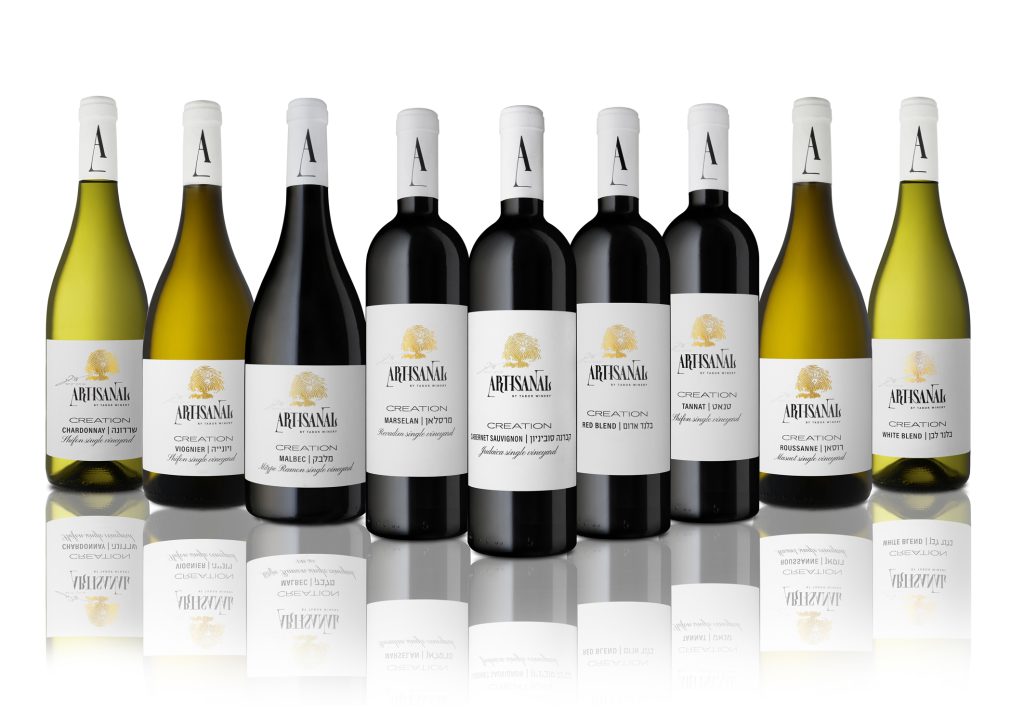
 Recently, Tabor introduced Artisanal, a new premium collection that represents an exciting evolution for the winery. Crafted under the direction of head winemaker Or Nadbach, the Artisanal range focuses on small-lot, terroir-driven wines that showcase both craftsmanship and a deep connection to the land. While Tabor has built a strong reputation over the past 25 years through sustainable viticulture and innovation, Artisanal offers a more focused and elevated expression of the winery’s vision.
Designed for wine enthusiasts, fine dining programs, specialty wine shops, and those seeking wines with a true sense of place, the Artisanal collection highlights the quality and sophistication emerging from modern Israeli winemaking. It is a natural extension of Tabor’s commitment to excellence while demonstrating just how far Israeli wine has come in recent decades.
Tabor Artisanal is also a proud member of the Israeli Wine Producers Association (IWPA), an organization dedicated to increasing awareness of Israel’s world-class wines and sharing the country’s rich winemaking story with consumers around the globe.
Four Israeli Wines Currently On My Table:
Recently, I received four wines representing different producers and styles from Israel. While I’ve only fully explored one of them so far, every bottle has me excited to continue the journey.
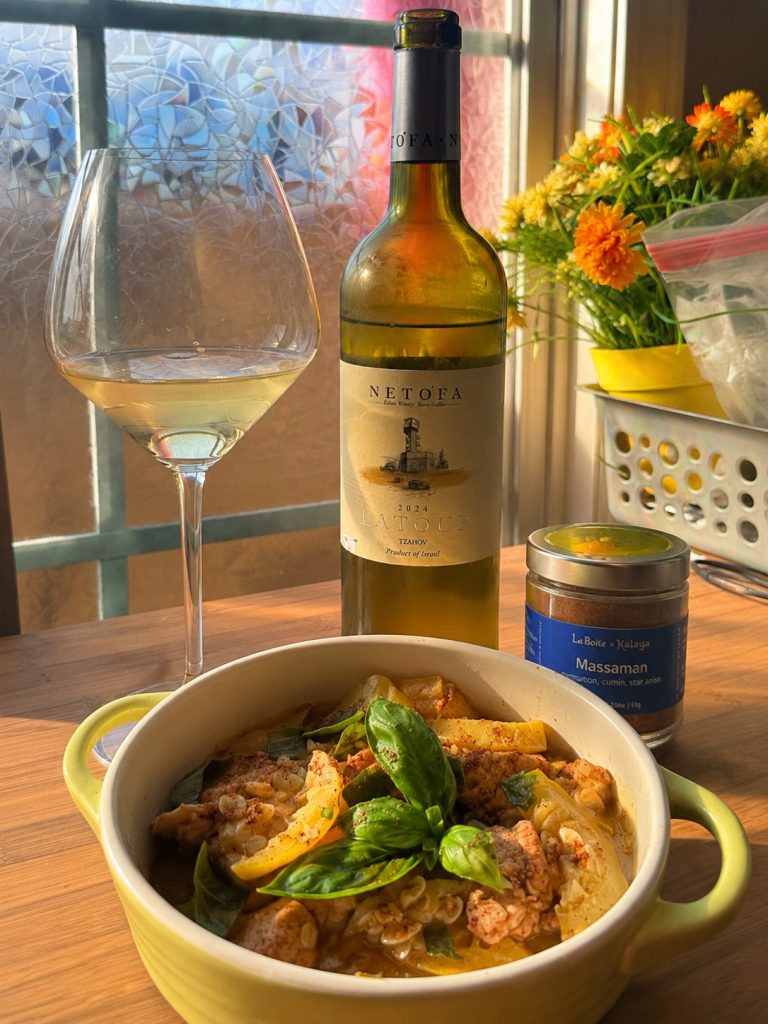
Netofa Latour Tzahov 2024: This was my first bottle opened from the lineup, and it did not disappoint. In fact, it delivered one of those pairings that reminds me why food and wine are so magical together.
I paired the Netofa Latour Tzahov with a homemade Massaman curry using a spice blend I received in collaboration with Kalaya and Chef Nok. The flavors were bold and incredible, and wow did this just work! Featuring chicken, yellow squash from my overflowing garden, and fresh basil. The pairing was absolutely delectable.
The wine’s freshness and aromatic character danced beautifully with the warm spice of the curry. The sweetness of the squash softened the edges of the spice blend while the basil tied everything together. Every bite seemed to make the wine taste better, and every sip elevated the dish.
Those are the pairings we chase as sommeliers. Not because they’re flashy. Because they simply work.
Tura Estate Winery Mountain Vista Sauvignon Blanc 2023: The first thing that caught my attention was the freshness and purity suggested by this wine. Produced by Tura Winery, a family-owned estate founded in 2003, the winery has grown into one of Israel’s respected boutique producers.
Sauvignon Blanc thrives in many of Israel’s elevated vineyard sites, often producing wines with bright citrus character, herbal notes, and vibrant acidity. I haven’t had many Israeli Sauvignon Blanc, but am impressed by this wine. I tasted a bit, and will continue with it and a new recipe soon. But for the hot summer days here in Tennessee, it just hit so bright and fresh, it was needed! Based on its profile, initial sip, and style, I expect this to be a perfect companion for seafood, Mediterranean salads, fresh herbs, and of course, plenty of olive oil. As someone who spends her days pairing food and wine, this bottle is calling for a late summer dinner on the patio.
1848 Winery “5th Generation” Orient 2023: The history behind this bottle alone is compelling. 1848 Winery traces its roots to one of the earliest modern winemaking families in Israel, and the name itself pays tribute to those deep historical foundations. The Orient bottling showcases Israel’s ability to create wines that bridge tradition and innovation. Even the label reflects a sense of heritage while presenting a distinctly modern identity. It’s a wine with black fruit, medium body, and incredible aromas. It’s a red blend that I may want to pair with meat and vegetables, so stay tuned for a great video on that soon. I think something simple and classic like steak and smashed crispy potatoes, but you know me… there will have to have a Mediterranean spin involved with olive oil somehow!
This is exactly the kind of bottle I love pouring for guests because it immediately starts a conversation.
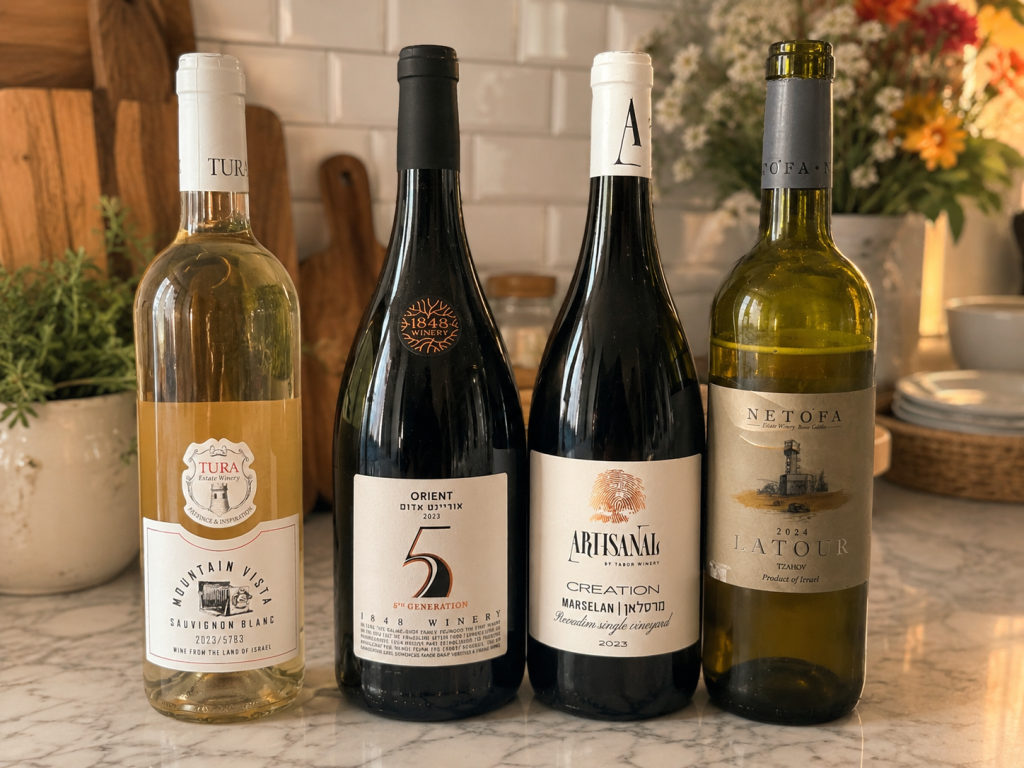 Tabor Artisanal Creation Marselan 2023: If there is one grape variety that deserves more attention, it may be Marselan. A crossing of Cabernet Sauvignon and Grenache, Marselan combines structure with Mediterranean charm. Tabor Winery recently launched its Artisanal collection as a premium expression of Israeli winemaking, highlighting distinctive vineyard sites and thoughtful winemaking practices.
I’m especially excited to taste this wine because Marselan often delivers dark fruit, spice, freshness, and elegance all at once.
For anyone who enjoys exploring beyond the usual Cabernet and Pinot Noir selections, this bottle should absolutely be on your radar.
Israeli wines often face an awareness challenge. Many consumers simply haven’t been exposed to them.
Others assume they are only relevant within the kosher wine category, which dramatically undersells what is happening across the country’s wine industry. Today’s Israeli producers are crafting wines that stand confidently alongside bottles from France, Italy, Spain, Argentina, and California. The quality is there. The terroir is there. The innovation is there.
What is often missing is simply attention. If you’re someone who loves discovering emerging regions, unique grape varieties, and producers pushing boundaries, Israel deserves a place on your wine map.
For me, it already has. And based on what I’ve tasted so far, I have a feeling these four bottles are only the beginning.
Stay tuned to my social channels, because I’ll be opening each of these wines, pairing them with food, sharing tasting notes, and bringing you along for the journey.
Something tells me there are a few new favorites waiting inside these bottles.
Have you explored Israeli wine? I’d love to hear what producers or bottles have impressed you. Leave a comment below! Always remember, eat what you like and drink what you love; please pair responsibly!


Leave A Comment