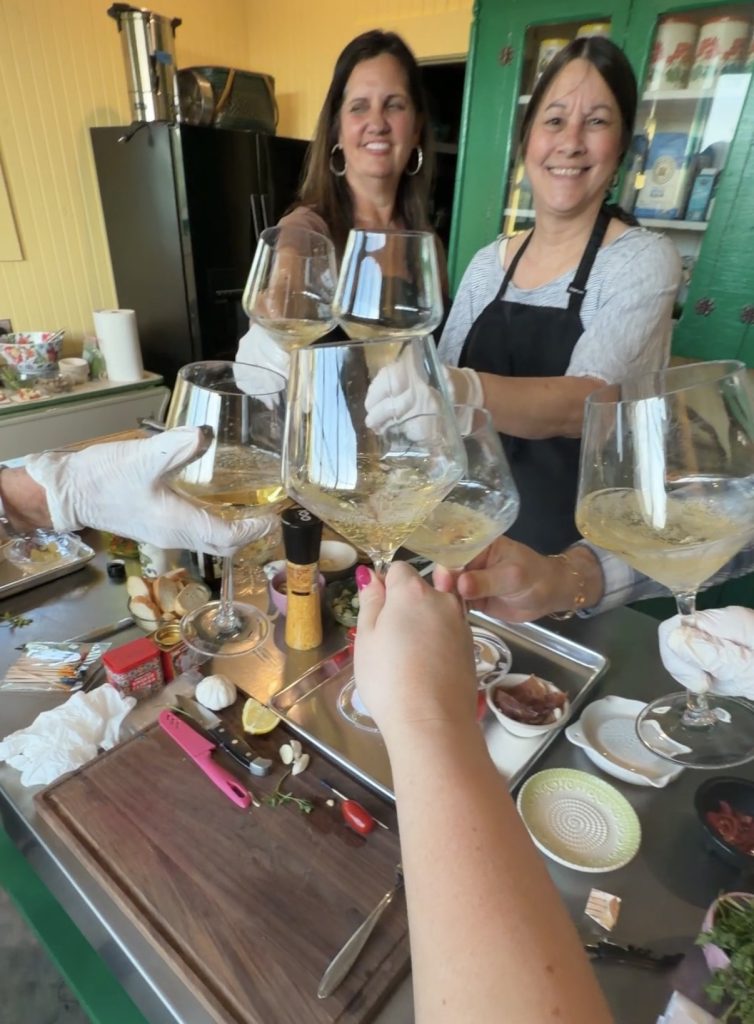
A memorable tasting has its own quiet rhythm. Glasses catch the light, the first pour sets the mood, and the room begins to settle into the evening. Whether the focus is wine, cocktails, small bites, or a little of everything, the best gatherings feel polished without becoming overly planned. The details are there, but they never make the night feel fussy.
Setting the Tone Before the First Pour
The first few minutes can shape the entire experience. A welcome glass does not need to be elaborate, but it should feel carefully chosen. A crisp white, a bright sparkling pour, or a light seasonal cocktail gives guests something to enjoy while they find their seat, greet the room, and ease into the moment.
Small gestures make the welcome feel more personal. A quick note about why the first bottle was selected, or a bite that hints at the pairings ahead, can give guests a reason to lean in before the evening fully begins.
Atmosphere matters here. Soft lighting, comfortable seating, polished glassware, and a table that invites people to gather can do more than an overly complicated menu. The goal is simple: create a room that feels warm, open, and easy to enjoy.
Pairings That Keep the Tasting Grounded
Food gives the evening shape. A few well-chosen bites can soften a bold pour, brighten a crisp white, or give guests a natural pause between glasses. The table does not need to be crowded with options. A stronger approach is to choose flavors that support the drinks and keep the experience comfortable.
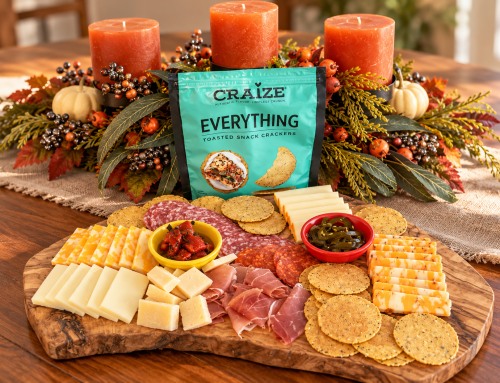
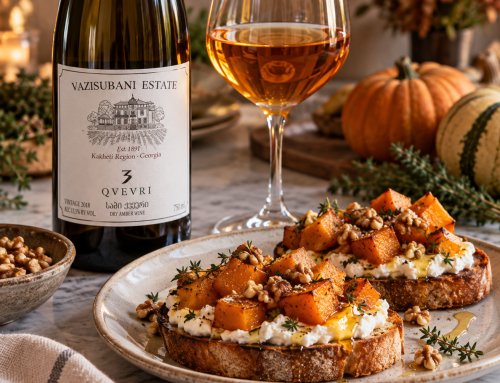
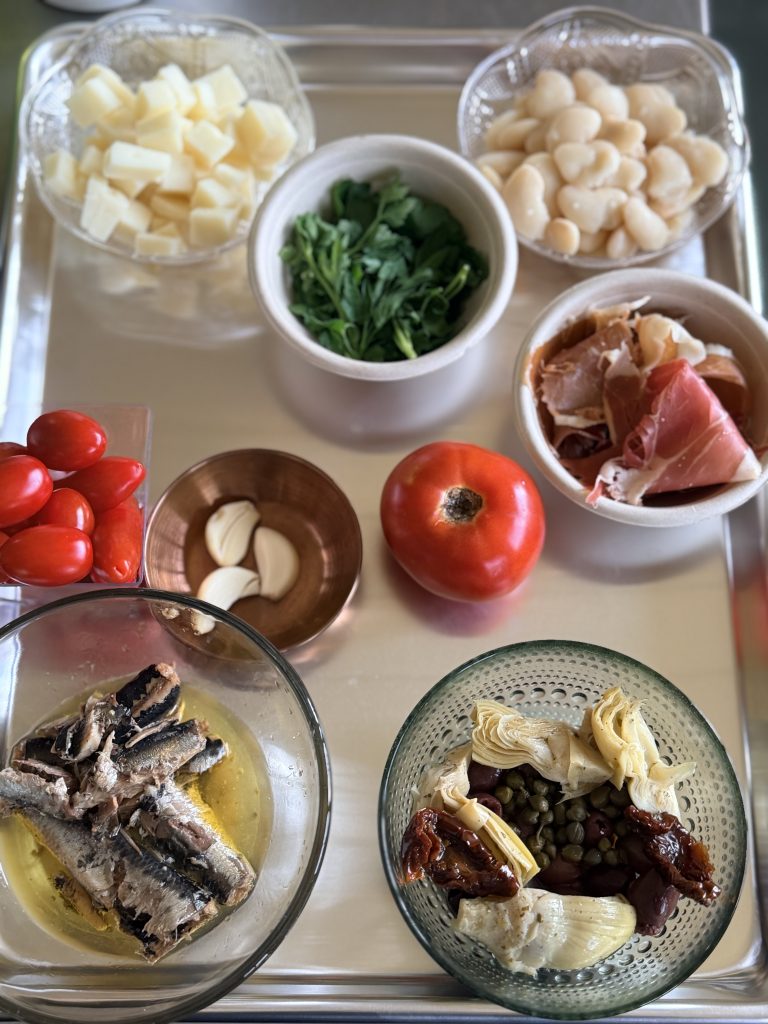 Think salty cheeses, roasted nuts, seasonal fruit, crostini, oysters, seafood bites, or a little dark chocolate. Each pairing should make the pour feel more expressive without stealing attention from the glass. When the setup, wine selection, and food pairings need a little more structure, this guide to hosting a wine tasting party is a natural companion.
A good pairing also gives people something to talk about. It can turn a familiar bottle into a new discovery or make a simple cocktail feel more layered. When the food and drinks work together, the evening feels less like a lineup and more like a shared moment.
Service Expectations Change From Place to Place
Every tasting carries a sense of place. In New York, a wine dinner might move with the energy of a busy restaurant. In Tennessee, a cocktail event may feel more relaxed, conversational, and music-driven. A California tasting room might lean into the slower pace of a vineyard visit, where guests expect time to linger and ask questions.
Texas brings its own style of hospitality, especially in tasting rooms, restaurants, pop-ups, and private dinners, where bold flavors and easy conversation often go hand in hand. For teams pouring in those settings, Texas alcohol server training can support the kind of guest-aware service that helps the experience feel polished without becoming stiff.
That awareness matters because guests rarely experience service as a checklist. They feel it through comfort, timing, and ease. A well-paced room gives people space to enjoy the flavors, ask questions, and stay present.
When service reflects the setting, the whole experience feels more natural. Guests may not notice every choice made in the background, but they feel the difference when the room flows easily.
A Better Pour Starts With Awareness
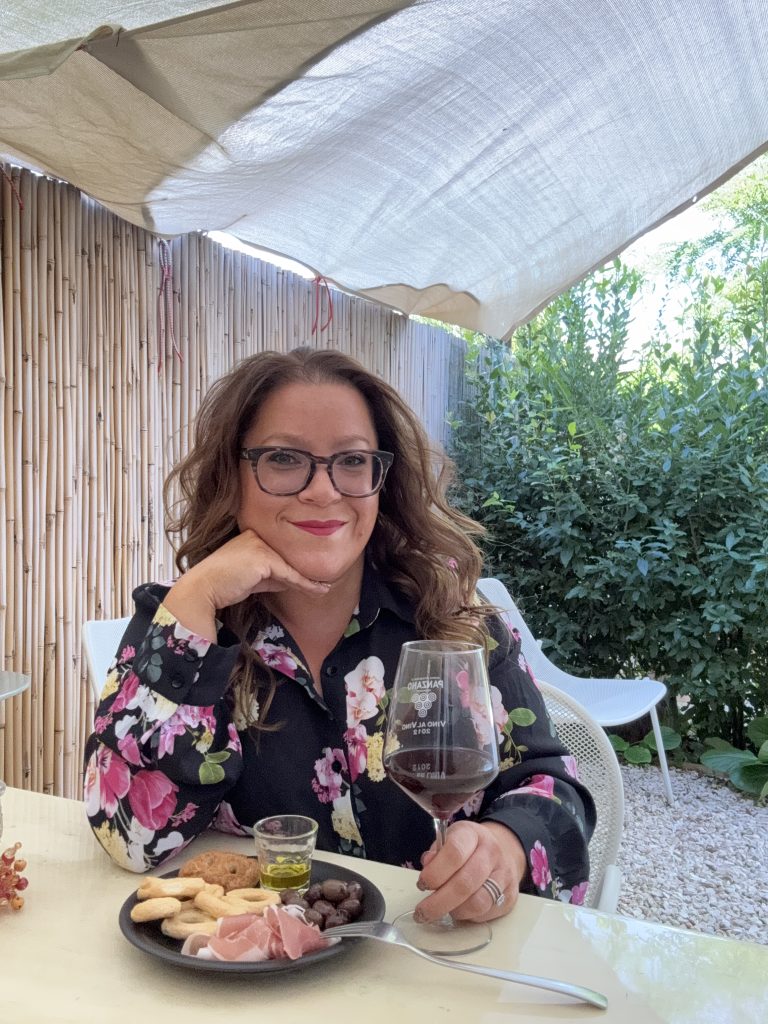 A well-run tasting gives guests room to enjoy what is in the glass without losing the rhythm of the night. Pour size plays a quiet but important role. A splash of something bold, a smaller taste of a higher-alcohol cocktail, or a lighter pour between richer pairings can help keep the evening balanced.
That awareness starts with understanding what counts as a standard drink, especially when the lineup includes wine, beer, spirits, or mixed drinks. When hosts think about portions as part of the overall flow, the experience feels more comfortable for everyone at the table.
Awareness also makes hospitality feel more generous. It gives guests permission to savor instead of rush, and it helps the host create a room where people can enjoy the night at a pace that feels right.
Let the Experience End Gently
The end of a tasting deserves the same care as the beginning. A final pour does not have to be the boldest glass of the night. Sometimes the better choice is a lighter wine, a small dessert pairing, fresh fruit, coffee, sparkling water, or one last bite that gives the evening a clean finish.
This is where hospitality can feel especially graceful. When guests have time to slow down, gather their things, and ease out of the moment, the entire experience feels more complete. The best endings leave people satisfied, comfortable, and already thinking about the next glass they would love to discover.
Conclusion
A tasting becomes memorable when the choices feel considered without feeling overworked. The glass matters, of course, but so does everything happening around it: the food, the pace, the welcome, the pauses, and the sense that guests are being cared for without being managed.
That is the beauty of good hospitality. It lets the wine, cocktails, and pairings shine while adding warmth, ease, and personality to the evening.

Leave A Comment