Photo via winery website: Maculan.net
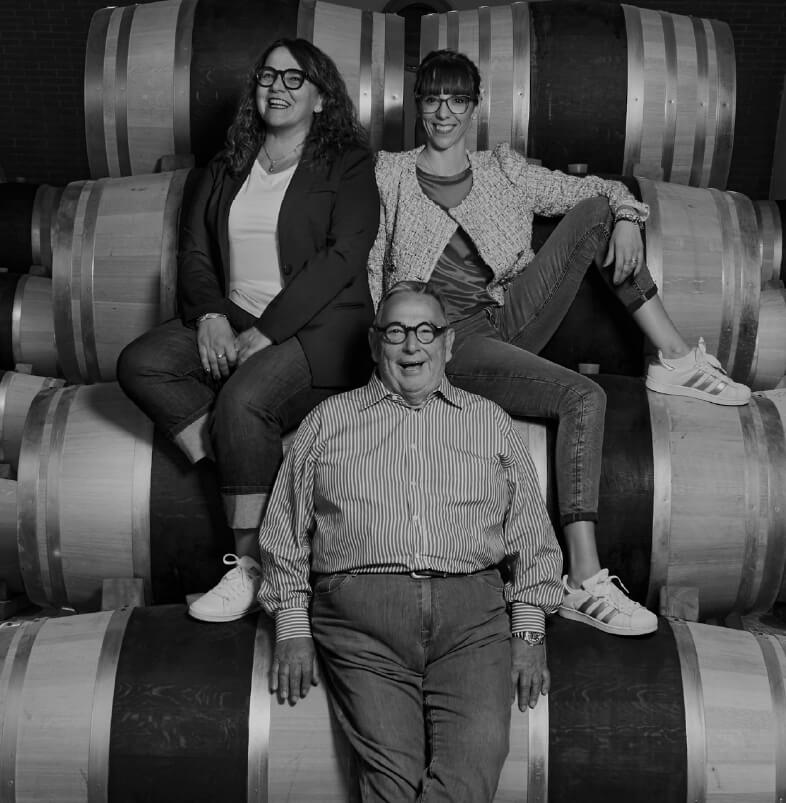
Angela Maculan represents the fourth generation of the family behind Maculan Wines, a historic estate in the small appellation of Breganze DOC in the Veneto region of Italy. During a recent Zoom tasting, Angela shared the story of her family, their vineyards, and several wines that beautifully capture the character of this lesser known but deeply expressive region.
A Small DOC with Mountain Influence
Breganze sits in the heart of Veneto, positioned between Venice and Verona, right at the foothills of the Alps. The vineyards reach elevations close to 1,000 meters above sea level, creating a dramatic temperature shift between warm days and cool mountain nights.
This diurnal swing helps preserve acidity and aromatic intensity in the grapes, while steady mountain breezes keep the vineyards healthy. The soils here also contain volcanic components, which contribute structure and minerality to the wines.
It is a remarkably small appellation. Breganze DOC spans about 600 hectares with only around twenty wineries. That scale allows producers like Maculan to remain focused on quality and site expression.
Today the estate farms about 50 hectares of vineyards and produces roughly 600,000 bottles per year, with production split between approximately 50 percent red wines, 30 percent whites, and 20 percent dessert wines.
From Osteria Wine to International Recognition
The Maculan story began in 1947 when Angela’s grandfather opened a grocery store and osteria in town. Like many small businesses in Italy at the time, he made wine to serve alongside the food.
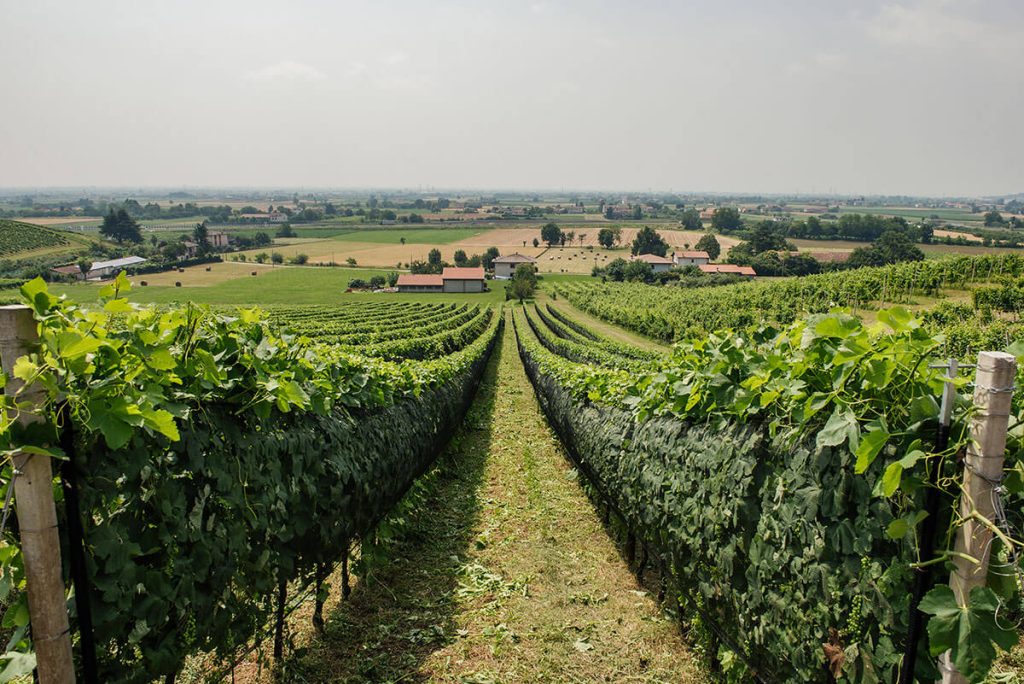
Photo via winery website: Maculan.net
During World War II the family even supplied wine to soldiers passing through the region. What began as a practical necessity eventually grew into a new venture, and in 1968 the winery was officially founded.
Early wines were simple table wines, labeled simply Vino Bianco and Vino Rosso, reflecting what local drinkers expected in the 1950s and 60s.
Everything changed when Angela’s father attended the prestigious wine school in Conegliano. After graduating in the early 1970s, he returned home determined to raise the quality of the family wines.
The 1973 harvest marked a turning point. He began leasing and later purchasing hillside vineyards, planting at higher density, around 10,000 vines per hectare, and experimenting with new vineyard management techniques such as green harvesting.
French winemaking traditions also influenced his approach, particularly because Cabernet Sauvignon and Merlot had already become important grapes in the region.
I had the pleasure of tasting wines with Angela on a zoom call, and it was awesome. I was excited to taste the 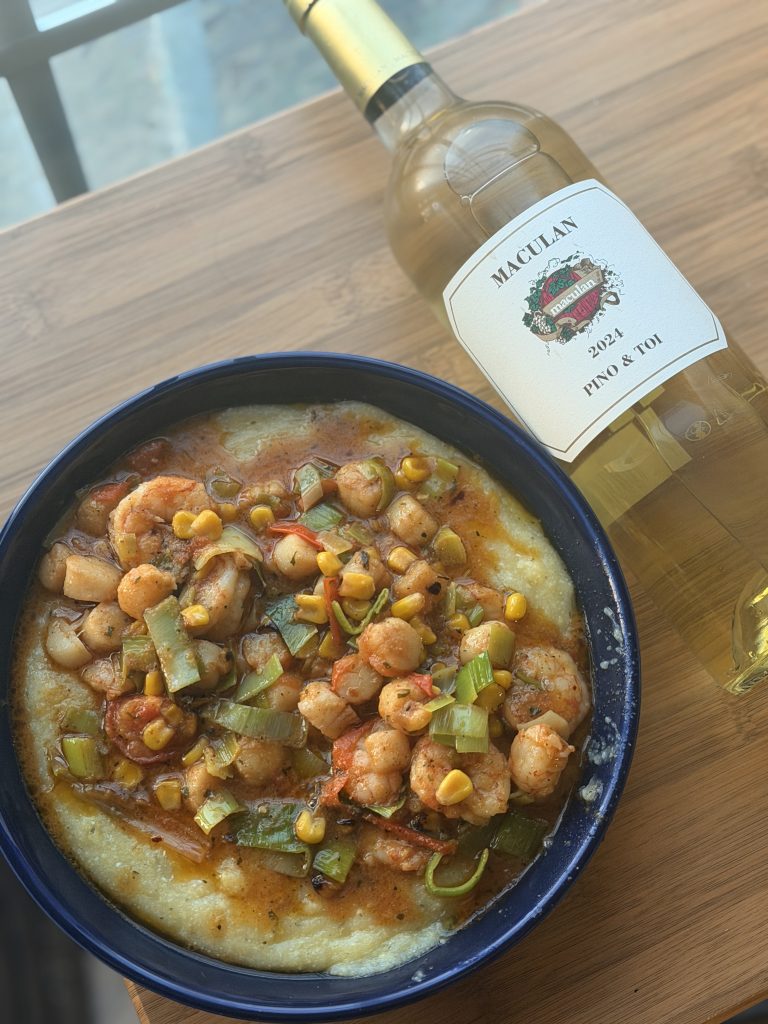 wines after hearing their amazing story, and let me tell you these wines truly capture the heart of the area. Now, I have not been to this area yet, however I hope to visit one day because these wines have soul, terroir influence, and a passion that you can taste in the glass.
Pino & Toi 2024: This fresh white blend is composed of 50 percent Tai, another name for Friulano, along with Pinot Bianco and Pinot Grigio. The wine undergoes cold maceration and is pressed under nitrogen to prevent oxygen exposure, preserving its vibrant aromatics. The result is incredibly expressive. The nose bursts with floral and fruity notes, and the palate is bright, lively, and refreshing. Designed with the American market in mind, it is bottled under screw cap for export, although the Italian market still prefers traditional cork.
This is a perfect aperitivo wine. Imagine it on a sunny patio with a bowl of briny olives and simple Mediterranean bites. However I was making seafood, and actually on my last Italy trip brought back some polenta… so guess what I made? Garlic and Herb Butter Shrimp and Scallops with leeks over creamy polenta. It’s so very coastal Italian and paired perfectly with this wine.
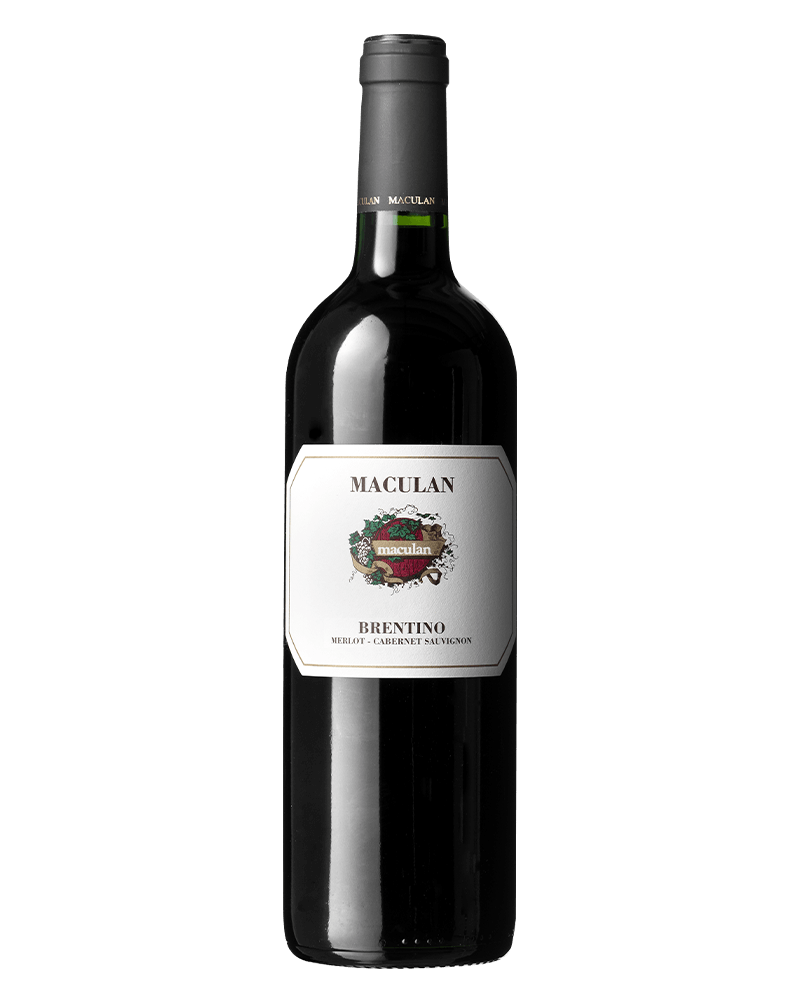
Photo via winery website Maculan.net
Brentino 2023: First produced in 1981, this wine blends equal parts Merlot and Cabernet Sauvignon. All of Maculan’s reds ferment in stainless steel, and the winery uses punch downs rather than pump overs, a technique they adopted in the mid 1990s to improve extraction and structure. Fermentation lasts about six to seven days, with frequent punch downs early in the process to extract tannins, color, and aroma. As alcohol levels rise, the frequency is gradually reduced. Brentino is aged partly in used oak and partly in stainless steel for one year before blending.
The wine is beautifully balanced. Fine tannins support vibrant fruit, making it an incredibly approachable and versatile red. Angela described it as their number one wine in terms of popularity, and tasting it makes that easy to understand.
Interestingly, Cabernet and Merlot blends are actually typical of Veneto outside of Valpolicella, though many wine drinkers do not realize this.
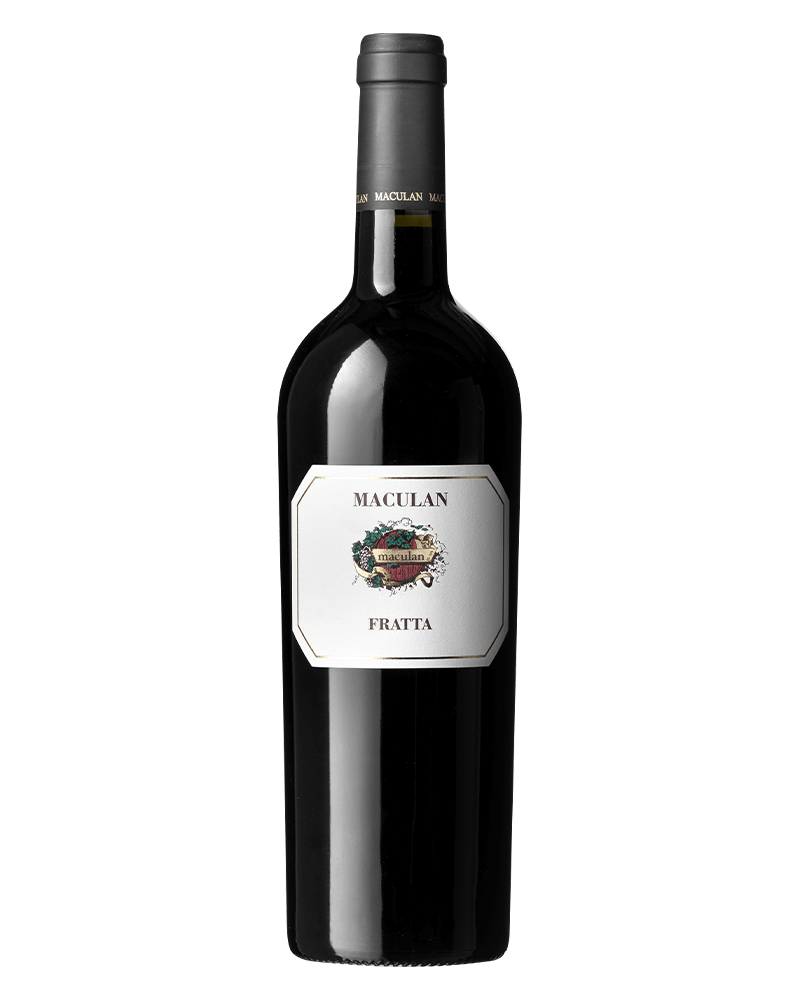 Fratta 2020: Fratta is a single vineyard wine named after the hillside site where the grapes are grown. The first vintage dates back to 1977, a challenging year that nevertheless inspired Angela’s father to begin focusing on vineyard specific bottling. The blend typically leans heavily toward Cabernet Sauvignon, with Merlot playing a supporting role. In the 2020 vintage the proportions are roughly 65 percent Cabernet and 35 percent Merlot. After fermentation, the wine ages for 18 months in a mix of new and second use oak barrels.
This is a much bigger wine than Brentino. The nose shows dark berries and spice, and the tannins are bold and structured. It is still quite young and benefits from time in the glass.
Pair it with richer dishes such as braised short ribs or a ribeye steak. With age, it can easily develop for ten to twenty years.
Production is limited to around 7,000 bottles, making it one of the estate’s more collectible wines.
 Palazzotto 2022: Named after one of the estate’s original vineyards, this wine is 100 percent Cabernet Sauvignon. Like the other reds, fermentation takes place in stainless steel with punch downs, followed by aging in a combination of new and used French oak. The result is a structured yet surprisingly elegant Cabernet. When I tasted it, I paired it with a venison burger and roasted sweet potatoes, and the match was outstanding. The wine has enough depth to stand up to game, yet remains polished and drinkable.
I decided to pair this wine with a very fun “bun-less burger” style dish. I was in the mood for a cabernet, and knew I had the tasting and really wanted to see how this would show up with game meats. I chose some Ancestral Venison and made it into a burger with onions and seasonings. I placed it on top of a bed of lemon greens which really brought out some fun acidity in the wine. Topped the burger with smoked gouda, fresh farmers market pickles, red onion, sprouts I grew myself, and a side of baked sweet potato wedges. Now, is this a traditional pairing like above? No, but did this work… yes! This pairing was phenomenal and thats because the venison can be gamey but with onions intertwined and the right seasonings it highlights the gorgeous fruit and the terroir in the wine. Pairing this with a big heavy cab would not work, but something earthy, fruity, and elegant intertwined with French oak? Yes, it worked so well.
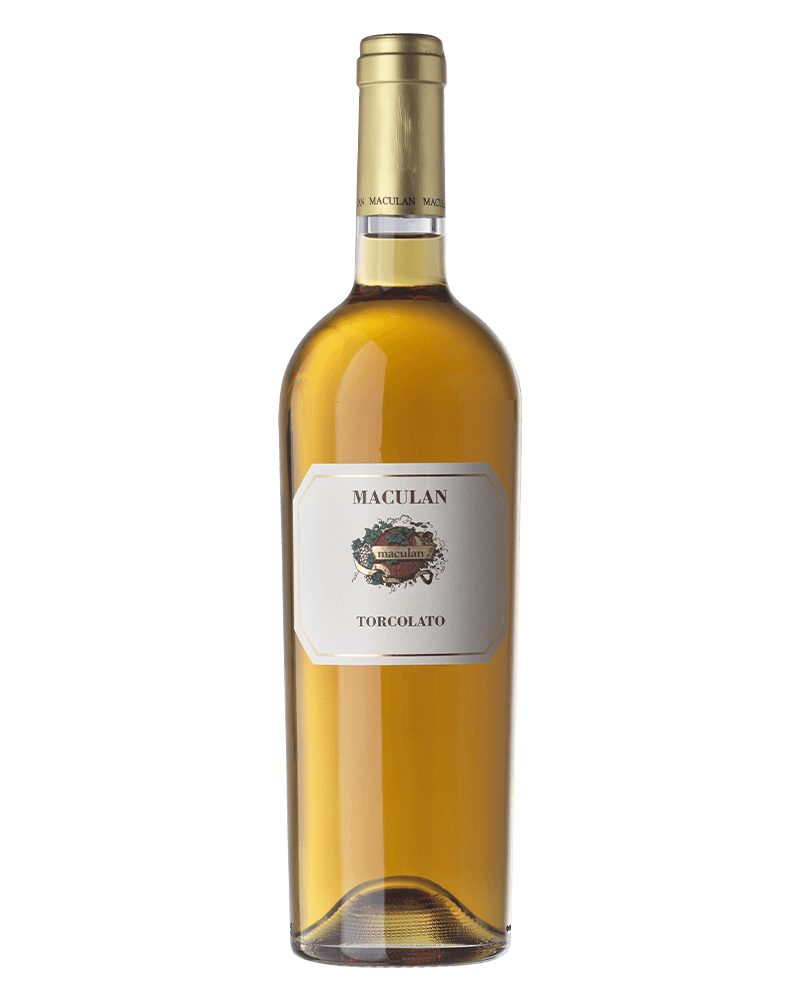
Photo via winery website: Maculan.net
Torcolato 2023:
If there is one wine that defines Breganze, it is Torcolato. Made from the local Vespaiolo grape, the wine takes its name from the traditional method used to dry the grapes. The clusters are twisted into long braided ropes and hung in drying rooms for about four months. During this time the grapes lose roughly 75 percent of their weight, concentrating both sugar and flavor. Fermentation is challenging because sugar levels can reach 35 percent, stressing the yeast and extending fermentation to nearly six weeks. The final wine is extraordinary. Honeyed peach aromas, vibrant acidity, and a subtle mineral backbone keep the sweetness balanced and lively. It is rich without ever feeling heavy or syrupy.
Torcolato pairs beautifully with cheese, but it is also a stunning wine simply to sip slowly. I could not put this down, and plan on doing something very fun with this wine pairing wise. I used my Coravin for this one for now, because it’s a wine that need a special cheese course or a dessert pairing. Maculan produces about 18,000 bottles annually and remains the leading producer of this historic wine style.
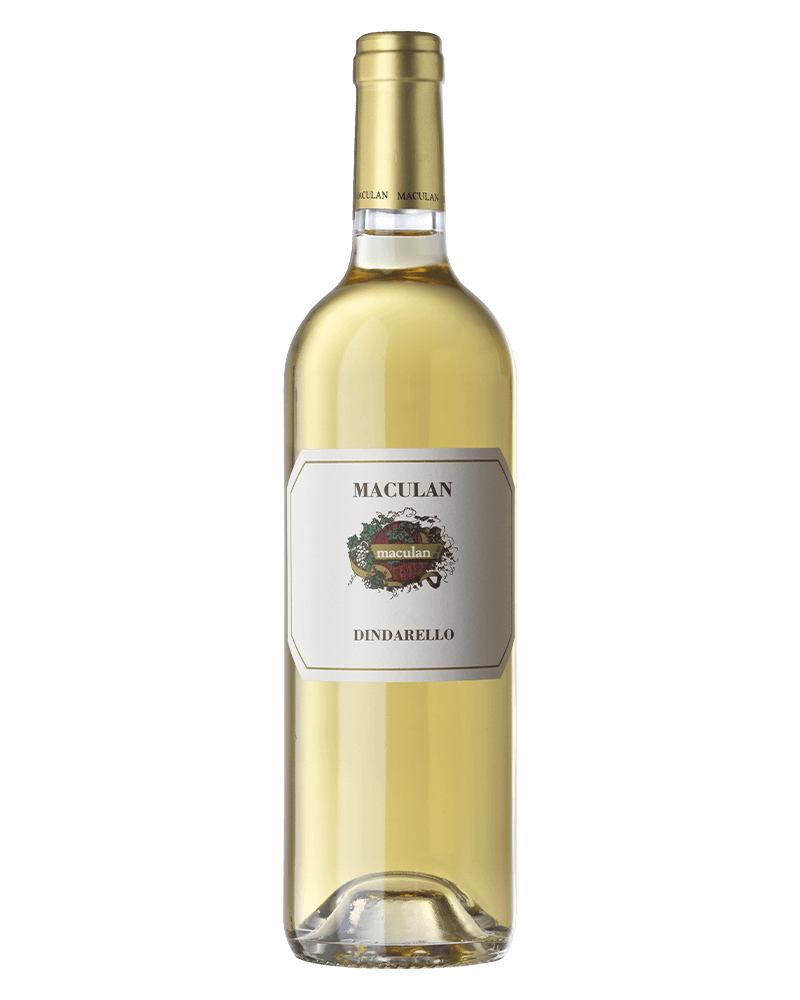 Dindarello 2025: The tasting concluded with Dindarello, the winery’s Moscato based passito wine. Fragrant, expressive, and straightforward in its charm, it is a joyful dessert wine that pairs beautifully with spicy foods or fruit based desserts. Speaking with Angela offered a glimpse into the evolution of a winery that began with humble beginnings in a small town osteria and grew into one of Breganze’s defining producers.
This is one that I also absolutely loved and once the warm weather hits, this is the perfect sunset wine. However I could also see this working incredibly well for brunch, and may try that as a pairing since their sweet wines that were sent are in 750ml bottles there’s plenty to play with pairing wise. I was impressed with this wine as well, and for those that enjoy Moscato in general this is very much the wine you want from this winery. It’s so refreshing and bright and I feel like Moscato’s like this are not appreciated enough in America. This is truly wonderful winemaking.
The wines reflect both tradition and thoughtful innovation, from the approachable everyday appeal of Brentino to the rare and captivating sweetness of Torcolato.
Most of all, they tell the story of a family committed to exploring the full potential of a small but remarkable corner of Veneto. Thank you so much to the Maculan family and Studio Cru for this wonderful journey in my glass, I can’t wait to sip and pair more of these incredible wines!
Please pair responsibly.



The transition from osteria to a more upscale vibe sounds interesting. What inspired that change for Maculan?
They wanted expansion. It’s truly a remarkable story, filled with family, love, and perseverance. But they wanted to expand they knew the region and they were capable of making more than table wine, and they studied and learned how to and it inspired them today.