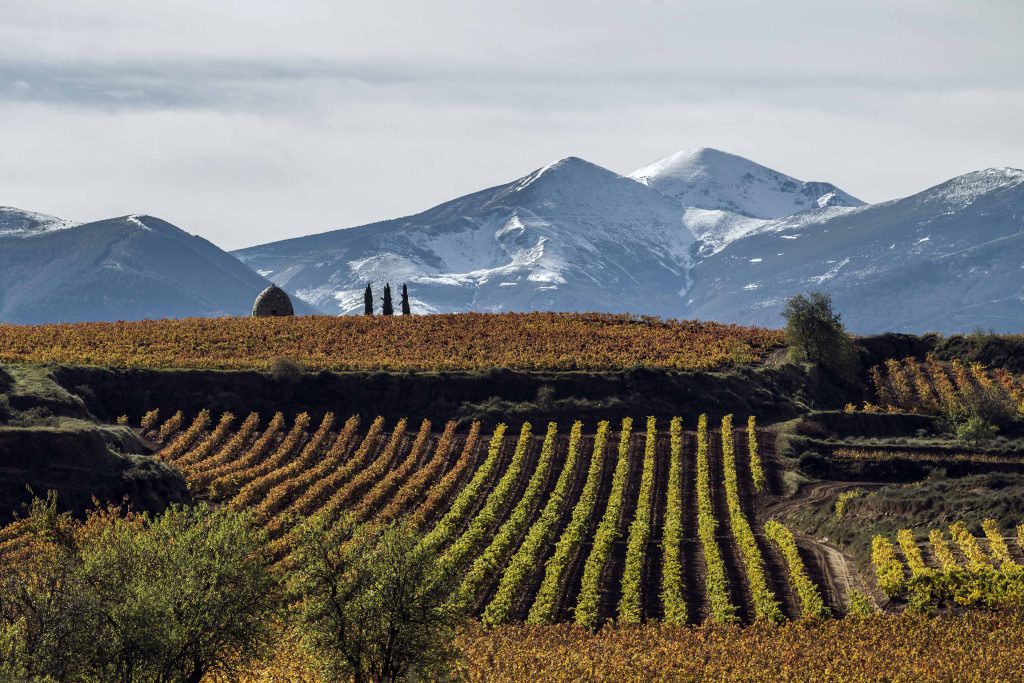
Rioja Alta, Badaran, San Lorenzo
In wine, very few regions carry the weight of history quite like Rioja. For generations, Rioja has been synonymous with age-worthy Tempranillo, meticulous oak aging, and wines that helped define Spain’s global reputation.
In 2025, the region celebrated a major milestone: 100 years as Spain’s first officially recognized Designation of Origin, established in 1925. The centennial year concluded this February in Logroño with an international celebration that brought together some of the most influential voices in wine.
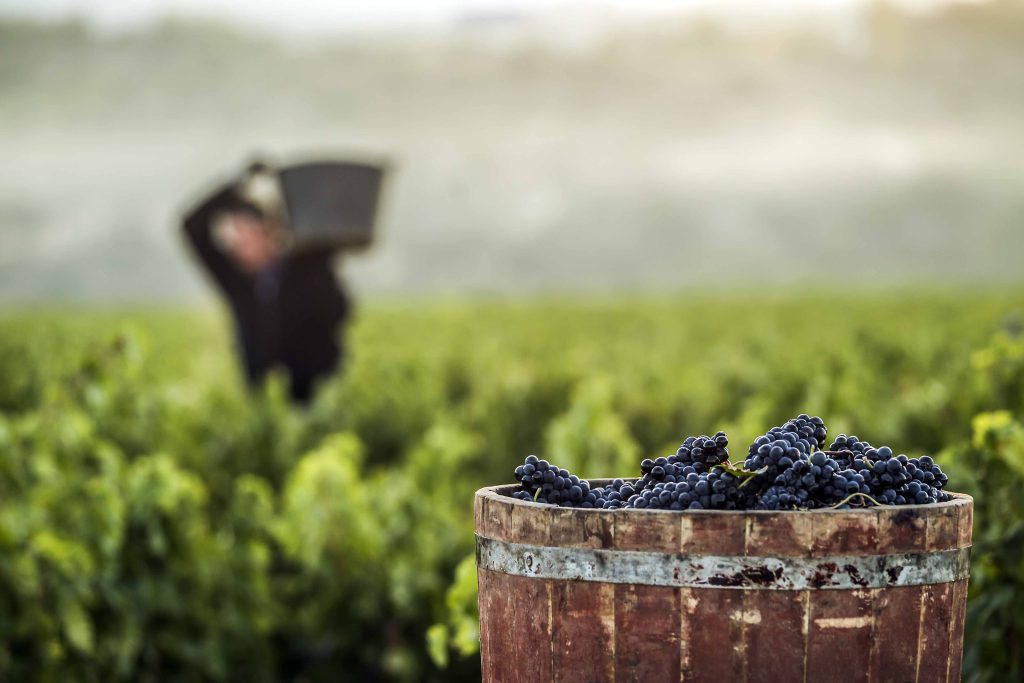
Rioja Alta, Haro, vendimia
But the story of Rioja today is not simply about looking back. What makes this moment exciting is how much the region is moving forward.
To close the centennial year, Rioja hosted a three-day gathering from February 15–17 that welcomed 70 leading wine experts, sommeliers, and journalists from 20 countries.
The program was designed to showcase both Rioja’s legacy and its evolution.
Highlights included:
-
Two master tastings exploring Rioja’s past and future
-
More than 300 wines available for tasting
-
Vineyard and winery visits across the region
-
A gala dinner featuring five Michelin-starred chefs
The event culminated at the Vivanco Museum of Wine Culture, where chefs Francis Paniego, Ignacio Echapresto, Miguel Caño, Iñaki Murua, and Carolina Sánchez created a multi-course menu paired with sixteen exceptional Rioja wines.
For those of us who spend our lives tasting wine, these moments are more than celebrations. They are a reminder that a great region is never static.
Rioja’s Identity: Tradition Meets Innovation
For much of the twentieth century, Rioja built its reputation on a very recognizable style. Wines labeled Crianza, Reserva, and Gran Reserva reflected strict aging rules and a strong influence from American oak barrels.
Those wines still exist, and they remain some of the most iconic bottles in Spain.
Yet today, Rioja is also exploring new directions such as Single-vineyard bottling, Village-designated wines, Greater emphasis on terroir expression, Sustainable viticulture and vineyard restoration, and A growing number of small, artisan producers. This evolution reflects a broader shift happening throughout the wine world. Drinkers increasingly want to understand where a wine comes from, not just how long it aged in a barrel.
The Energy of the Next Generation
One of the most exciting developments in Rioja is the influence of younger winemakers returning to family estates or launching new projects.
Many of these producers grew up surrounded by vines but studied or worked abroad before returning home. They bring global perspective while remaining deeply connected to Rioja’s vineyards.
Their focus often includes reviving historic vineyard parcels, highlighting lesser-known indigenous grapes, using larger neutral barrels or concrete to preserve freshness, and reducing heavy oak influence to emphasize fruit and site. What emerges is a Rioja that feels more precise, more transparent, and often more vibrant, while still maintaining the depth and structure that made the region famous.
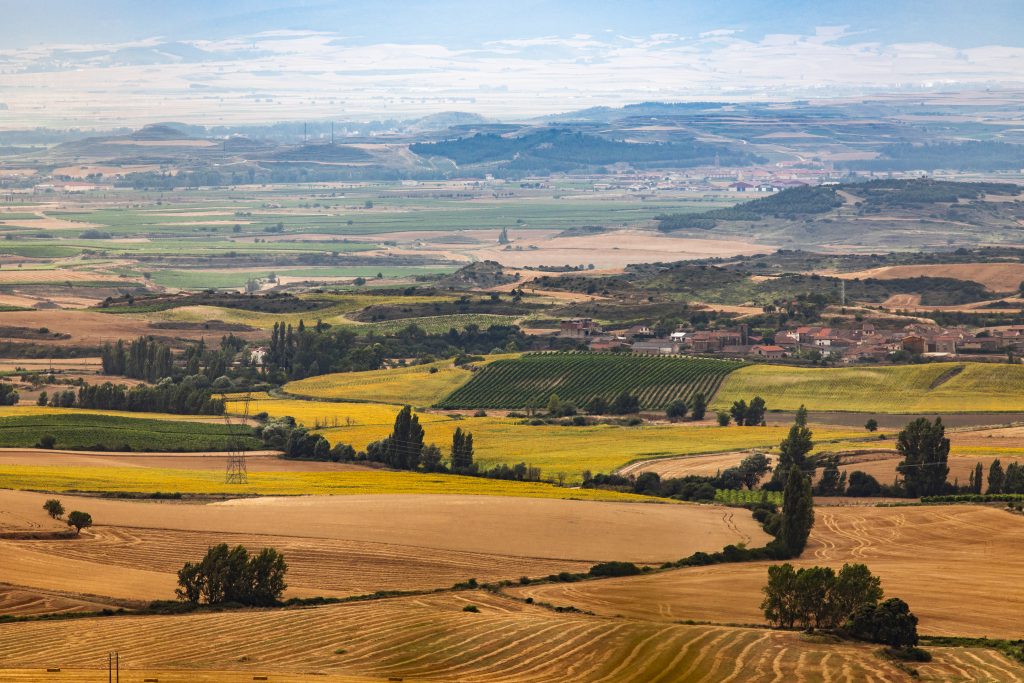
One of Rioja’s greatest strengths is the diversity within its three sub zones: Rioja Alta, Rioja Alavesa, and Rioja Oriental.
 Each area offers its own combination of soils, elevations, and climate influences. From elegant high-altitude Tempranillo to warmer Mediterranean expressions further east, Rioja continues to demonstrate just how varied one region can be.
For sommeliers and wine lovers alike, this diversity makes Rioja endlessly fascinating. As part of the centennial celebration, I had the opportunity to taste two Rioja wines that beautifully illustrate both the tradition and evolution of the region. I had the pleasure of visiting through my glass and was sent two amazing wines.
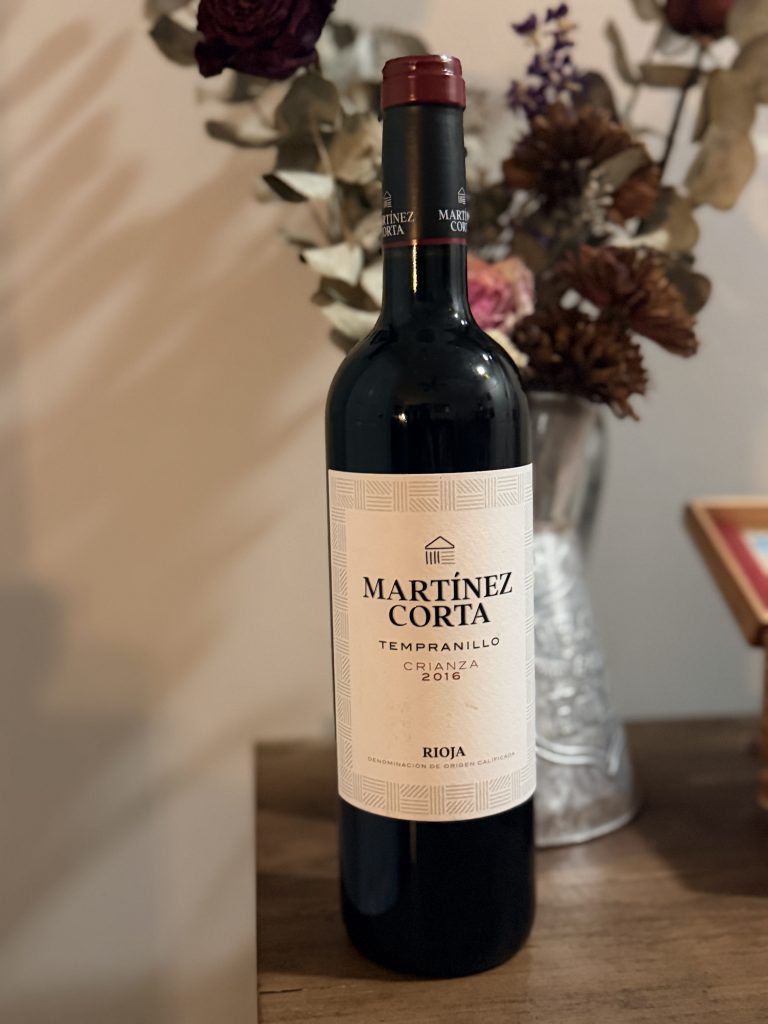
2019 Malpastor Reserva- This wine carries with it a story that feels deeply rooted in Rioja’s agricultural past. The name Malpastor refers to a historic shift in the region when shepherds gradually abandoned their flocks to cultivate vineyards, helping shape the wine culture Rioja is known for today.
The 2019 Malpastor Reserva reflects that heritage with impressive structure and depth. The wine is aged 18 months in oak followed by another 18 months in bottle, allowing it to develop complexity while maintaining freshness.
In the glass, it shows classic Rioja character, layered fruit, subtle spice, and the kind of structure that promises longevity. Wines like this remind you how Rioja has mastered the balance between tradition and precision winemaking.
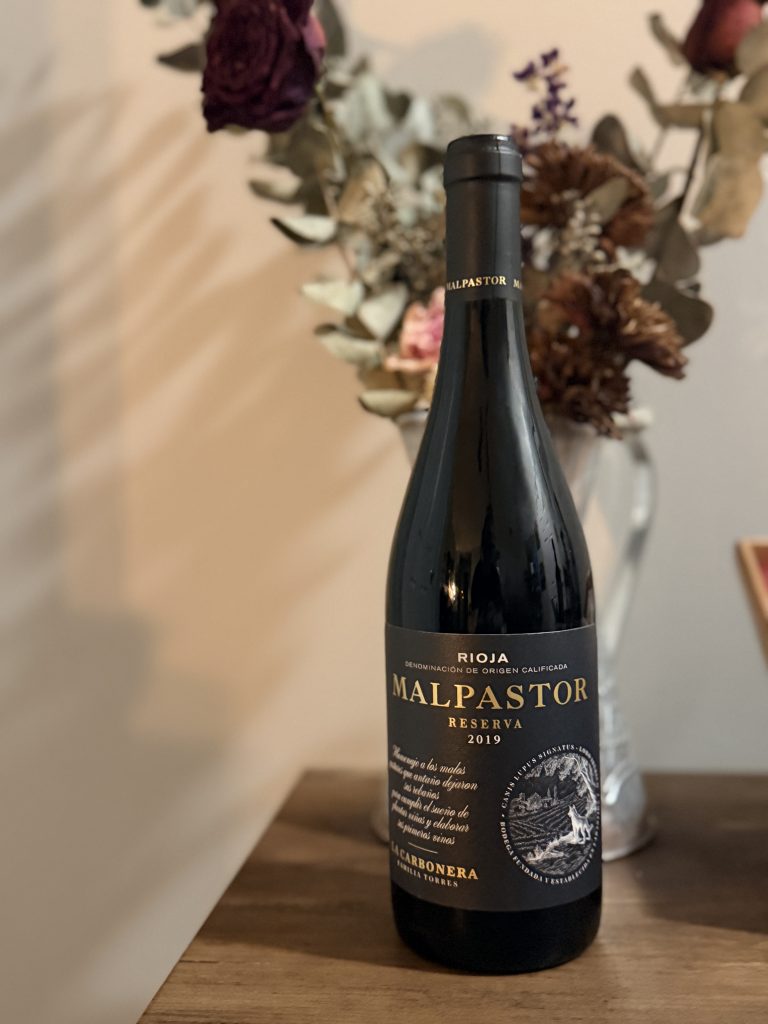 2016 Martinez Corta Tempranillo Crianza- The second bottle immediately caught my attention when I opened the box. A 2016 vintage Rioja is always something to celebrate, and this wine did not disappoint.
Produced by a family with four generations dedicated to viticulture, this Crianza reflects both heritage and craftsmanship. The wine is aged 12 months in French and American oak, resulting in a beautifully balanced style. In the glass, the color shows a ruby core with a delicate garnet rim, signaling graceful maturity. On the nose, aromas of red berries and black fruit unfold alongside hints of balsamic and gentle toasted oak. On the palate, the wine is soft, well integrated, and elegant, with impressive intensity and a lingering finish that keeps you returning for another sip.
It’s the kind of Rioja that reminds you why the region has earned such enduring global admiration.
While I have not yet had the opportunity to visit Rioja in person, the region is one I encounter often in my work as a sommelier and wine educator. Rioja wines frequently appear in my tastings, wine classes, and curated experiences because they consistently deliver a style that resonates with both seasoned collectors and guests who are just beginning their wine journey.
Exploring Rioja through the glass continues to be a privilege, and I hope one day to experience the vineyards and producers firsthand. Until then, each bottle offers a small window into a region that has shaped the global conversation around wine for more than a century.
After a century of official recognition, Rioja remains one of the world’s most recognizable wine regions. But what keeps it relevant is its willingness to evolve.
As Raquel Pérez Cuevas, President of the Rioja Regulatory Council, noted during the centennial celebration, Rioja’s legacy survives because the region continues to reinterpret itself with precision, enthusiasm, and vision for the future. In many ways, Rioja today represents the best version of a classic wine region: A place where history and innovation sit comfortably at the same table. And if the wines emerging from the next generation are any indication, Rioja’s most exciting chapter may still be ahead.
Always remember, eat what you like and drink what you love. Please pair responsibly!



Leave A Comment