April 17 marks World Malbec Day, but this isn’t just a celebration of a grape. It’s a story of transformation, identity, and place. It’s about how Mendoza took a once-secondary French varietal and turned it into a global icon.
And if you really want to understand Malbec today, you don’t just taste one bottle. You taste the spectrum.
 That’s exactly what I experienced through two producers who, together, tell the full story: Santa Julia and Zuccardi Valle de Uco. Same family, completely different expressions, and a perfect lens into why Malbec continues to matter.
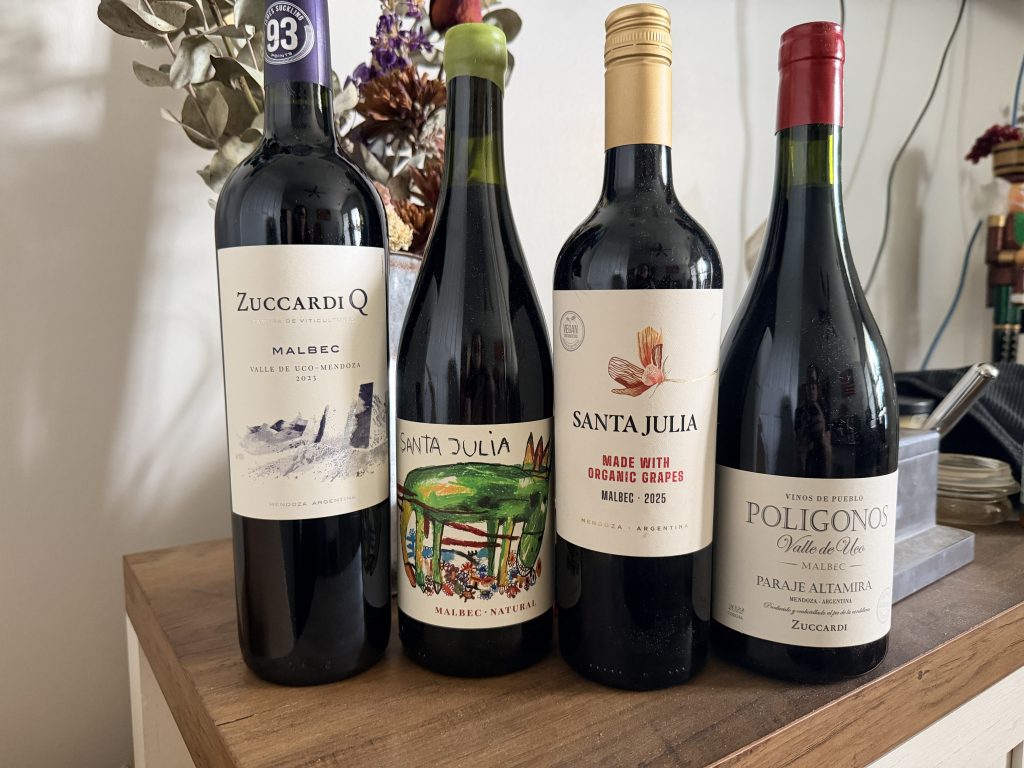
Consumers are shifting. People want wines with intention, with transparency, with a sense of place. Malbec delivers on all of it. It can be easy and fruit-driven, structured and mineral, affordable or cellar-worthy. That flexibility is its power. And honestly, it’s why Malbec is not a grape to overlook this season. I was sent four Malbec’s from two wineries to showcase this grape in two completely different expressions.
Santa Julia is where Malbec feels approachable, generous, and grounded.
- Certified organic vineyards
- Sustainably farmed, family-owned
- Bright, fruit-forward style
- Made for everyday drinking without losing integrity
 This is Malbec at its most welcoming. It’s the bottle you open on a Tuesday that still feels intentional.
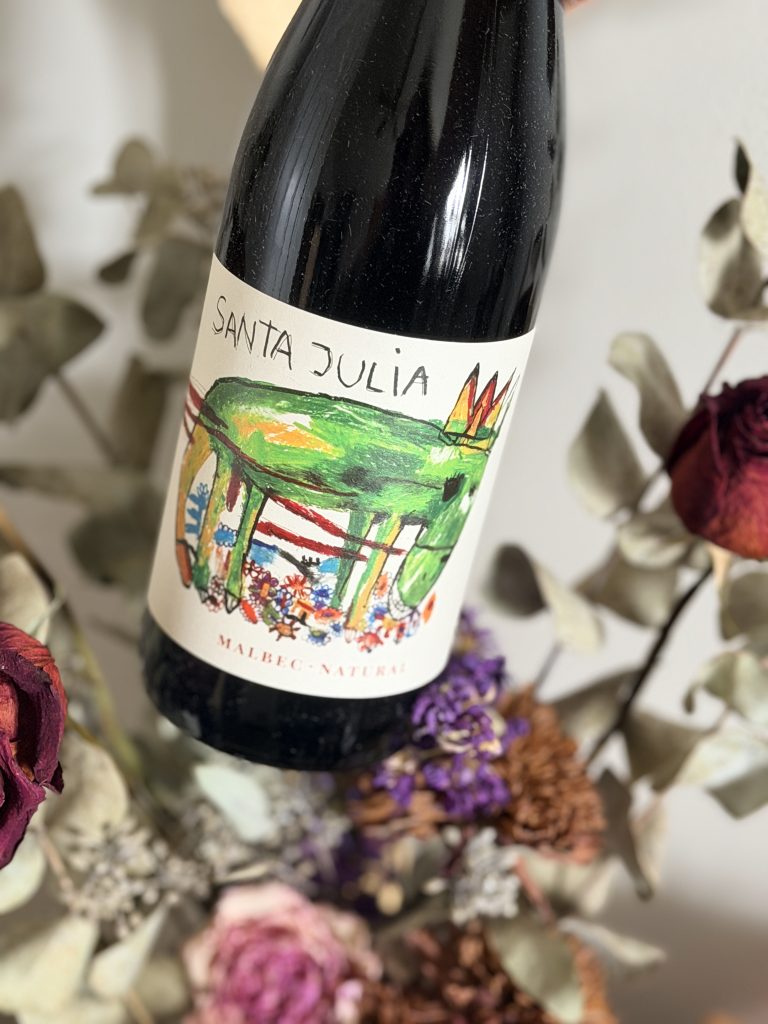
I tasted the Santa Julia Natural Malbec, and it completely overdelivered. I paired it with a warm baked brie layered with garlic confit and crispy salami chips, and it just worked. The wine had that juicy, rounded fruit profile, but enough savory depth to stand up to richness without getting lost.
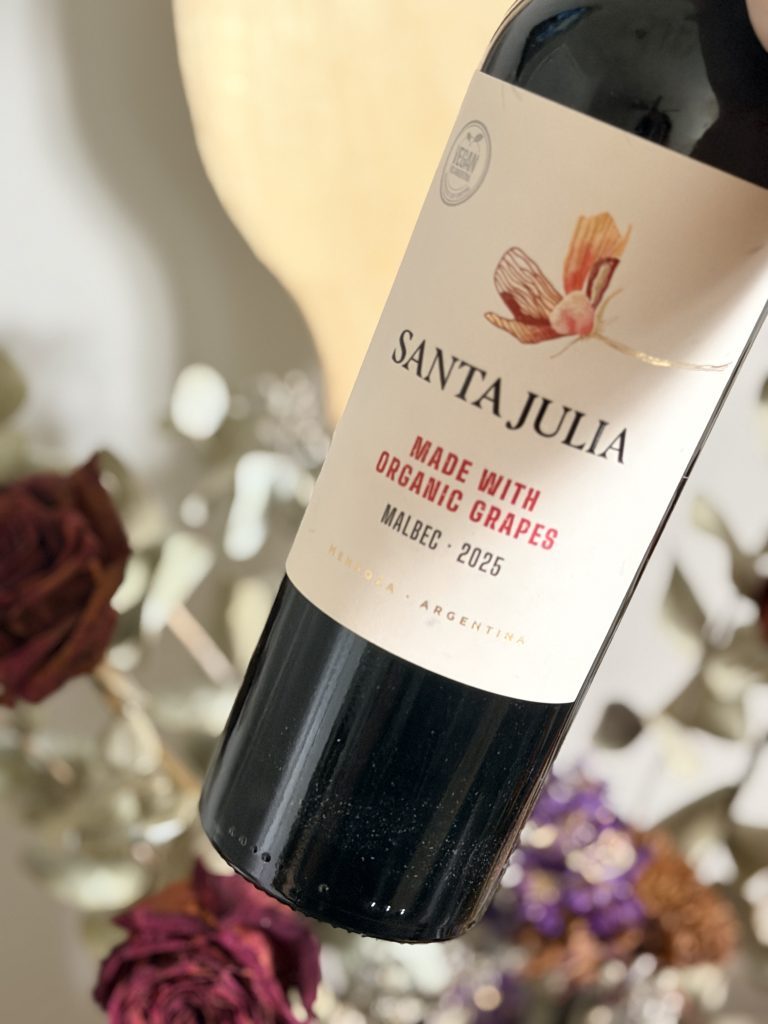
And then there’s the 2025 Santa Julia Organic Malbec, which is exactly what you want heading into grilling season. Think burgers, BBQ, outdoor dinners, a bottle you bring to a friend’s house and know it will land. It’s generous, easy to love, and still rooted in place. This is your gateway Malbec, but done right.
Zuccardi: Malbec with Precision and Place
At the other end of the spectrum is Zuccardi Valle de Uco, and this is where things get serious. Under Sebastián Zuccardi, the philosophy shifts from winemaking to terroir expression. It’s not 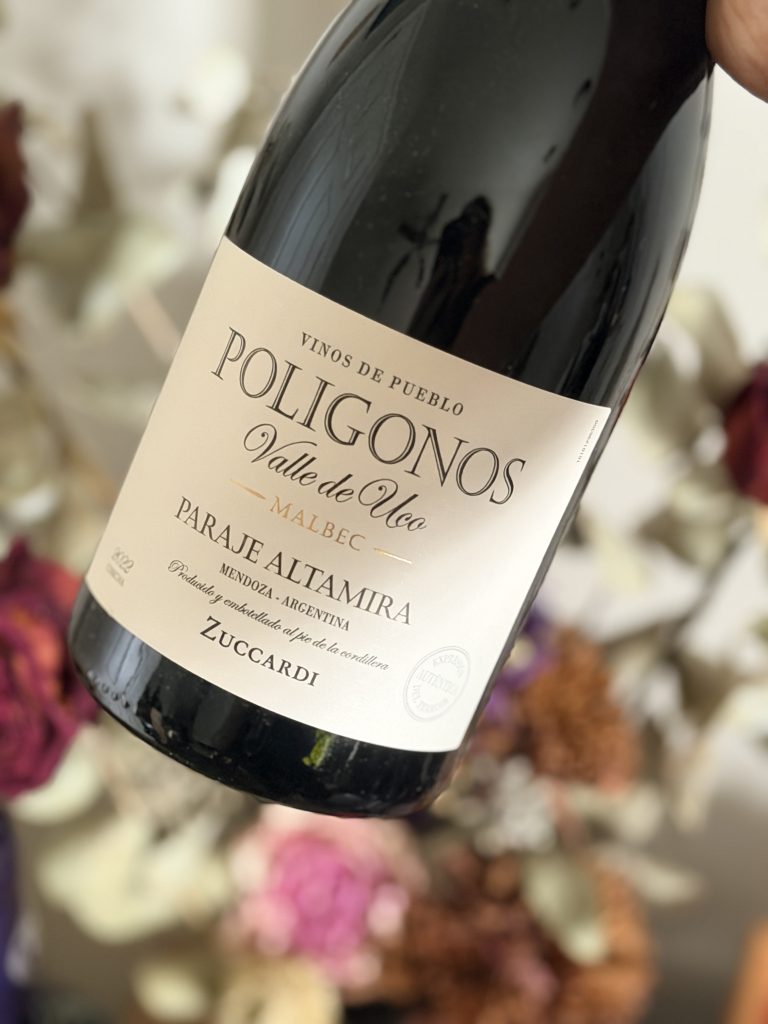 about manipulating the wine. It’s about translating the vineyard.
- High-altitude vineyards in the Uco Valley
- Focus on limestone soils
- Minimal intervention
- Precision, structure, and freshness
The Wine: Polígonos Malbec Paraje Altamira, is a standout from the Polígonos range, which is all about highlighting specific vineyard zones. Sourced from Paraje Altamira, one of the most respected subregions in the Uco Valley. It’s also known for calcareous (limestone-rich) soils and is fermented in concrete to preserve purity. You get darker fruit, but it’s not heavy. There’s tension here. Think black cherry, violet, and a subtle herbal edge, with that signature chalky minerality. The tannins are structured but refined, and there’s a freshness that keeps everything lifted.
This is Malbec redefined. Not plush, not jammy, but precise and almost architectural.
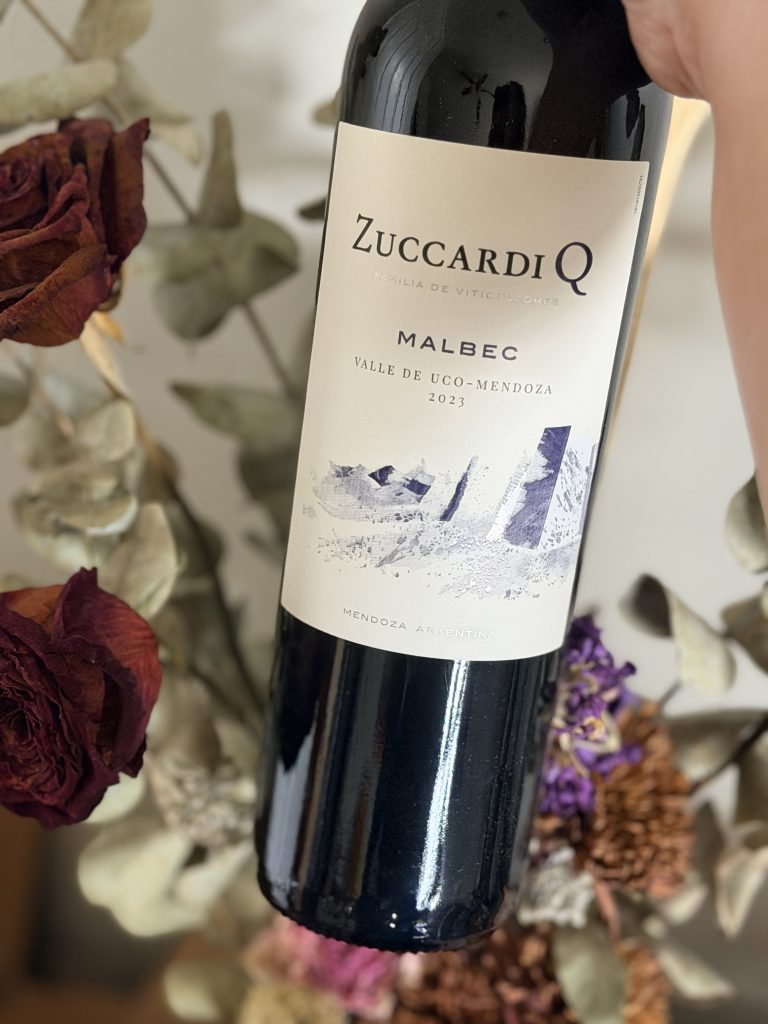 The other wine was the Zuccardi Q Malbec Valle de Uco 2023. The Q line represents selected parcels from the Uco Valley, bridging accessibility and terroir. It’s a blend of high-altitude vineyard sites and aged partially in oak for balance, not dominance. Notes of ripe plum, blackberry, a touch of spice, and a more polished texture compared to the Polígonos. It’s structured but approachable, making it a great introduction into higher-end Argentine Malbec without going too far into the deep end.
This is the bottle that shows you the transition, from everyday Malbec into something more site-driven.
Did you know Malbec…
- It’s originally from France
Malbec comes from Cahors, where it’s darker, more tannic, and often rustic. Argentina gave it its modern identity. - Altitude changes everything
In Mendoza, vineyards sit as high as 5,000 feet. That altitude brings cooler nights, preserving acidity and creating more balanced, fresh wines. - It’s incredibly food versatile
Malbec isn’t just for steak. It plays beautifully with everything from grilled vegetables to cheese-driven dishes and even spiced foods.
Let’s stop boxing Malbec into winter. For spring and summer, think:
- Grilled lamb with herbs
- Burgers and BBQ
- Mushroom flatbreads
- Charcuterie and aged cheeses
- Baked brie, garlic, anything savory and slightly indulgent
Even slightly chilled, Malbec can absolutely shine in warmer weather.
Malbec today is not one-note. It’s not just bold and heavy. Through Santa Julia and Zuccardi Valle de Uco, you see the full arc. From everyday drinking to world-class expression, all rooted in one place, guided by one family, and shaped by a deep respect for the land. That’s what makes World Malbec Day worth celebrating. Not just the grape, but the evolution.
Always remember, eat what you like and drink what you love. Please pair responsibly!



Leave A Comment