
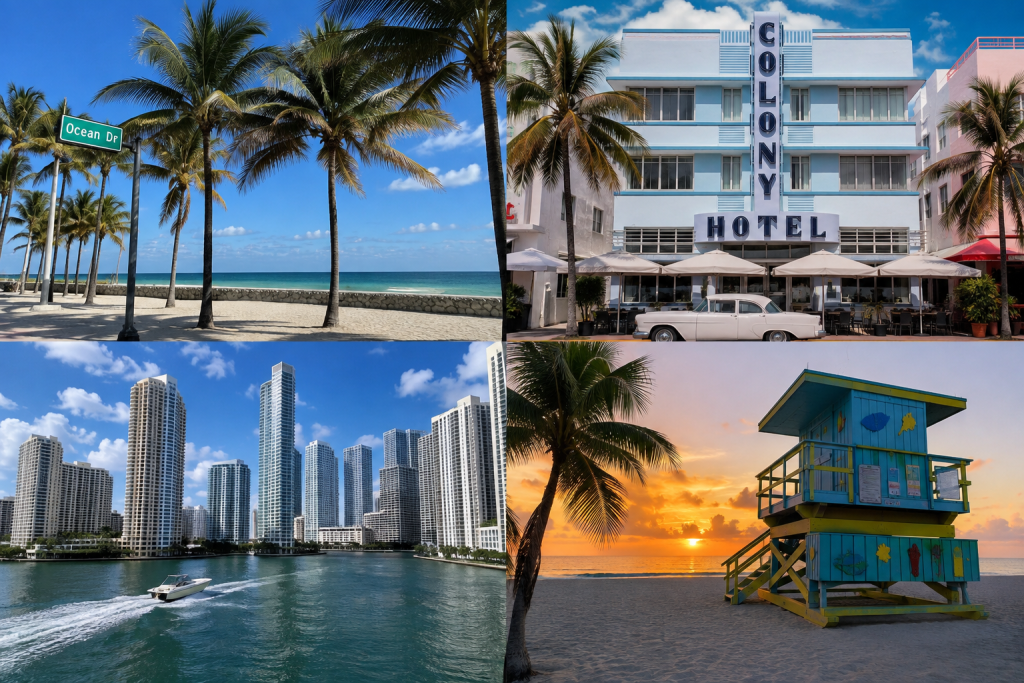
 Miami gets a reputation for one thing: sun, sand, and nightclubs. Walk into any hotel lobby and you’ll get a stack of brochures pointing you toward the same five beaches and restaurants that appear in every travel guide. But ask a person who actually lives in Miami where they spend their weekends, and you’ll get a completely different answer. The city has neighborhoods with legitimate character, cultural institutions that rival any major American city, and food scenes that have nothing to do with tourist traps. When you step away from the marketing version of Miami, you discover a place where time moves differently and memories stick around long after the sunburn fades.
Key Takeaways
- Miami’s authentic character lives in neighborhoods like Wynwood, Little Havana, and Design District, not in South Beach hotel corridors
- Local food culture (from Nicaraguan pupusas to Cuban cafecito traditions) reveals the city’s real identity far better than tourist-facing seafood restaurants
- Museums, galleries, and cultural venues offer world-class experiences without the cruise-ship crowds
- The logistics of where you stay determines whether you experience Miami as a visitor or as someone actually living the city
Why It Matters
Most people plan Miami trips the same way: they book a hotel near a beach, spend three days swimming and eating overpriced seafood, then leave without understanding what makes the city worth visiting in the first place. This approach works if your goal is to check a box. It fails if you actually want a trip that sticks with you.
The shift toward meaningful urban travel means more visitors are asking different questions. Instead of “Where should I go?” they’re asking “Who lives here, and what do they actually do?” That distinction changes everything. It changes where you eat, which neighborhoods you explore, and critically, where you choose to stay. When looking for ways to maximize your Miami experience, a rental apartment miami in a neighborhood with actual character beats a standard hotel room near a beach where you’ll spend most of your time sleeping anyway. The right base gives you access to the real city instead of trapping you in the tourist ecosystem.
Wynwood: Where Street Art Became a Destination
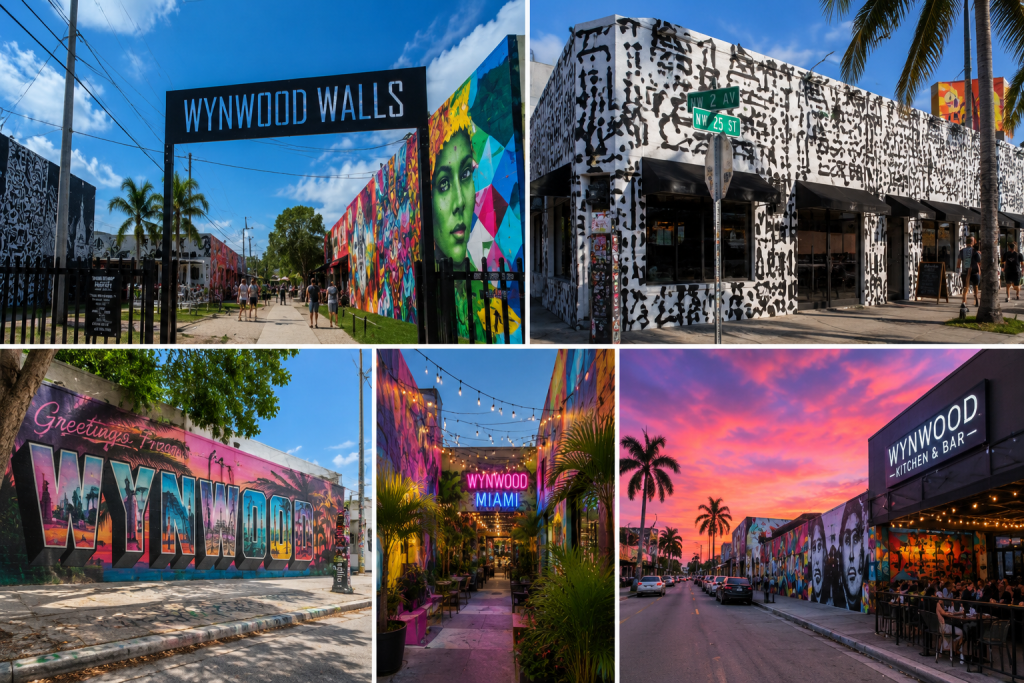
Wynwood started as an overlooked industrial neighborhood northwest of downtown. In the early 2010s, local artists began painting massive murals on warehouse walls. What began as unofficial street art evolved into a coordinated cultural movement, and now Wynwood is one of Miami’s most visited neighborhoods. But here’s what the guidebooks miss: Wynwood isn’t a museum where you snap photos and leave. It’s a living, changing gallery where artists continue to paint over old work, where new galleries open constantly, and where you can actually talk to the people creating the art.
The neighborhood works best when you arrive without an agenda. Wander Wynwood Walls (the official mural district), but also duck into smaller galleries, independent coffee shops, and vintage stores that line the side streets. The real Wynwood happens when you get lost for two hours and find a taco stand that’s been operating out of the same spot for thirty years.
 Where to Eat in Wynwood
Forget the Instagram-famous restaurants. Hit Coyo Taco for breakfast (get there before 10 AM or wait), then move to O Pobre Diablo later in the day for Nicaraguan food that tastes like someone’s grandmother is running the kitchen. Both places are packed with locals, which is always a better sign than a long line of tourists.
Little Havana: The Real Heartbeat of Miami Culture
Little Havana is where Cuban, Puerto Rican, Nicaraguan, and Colombian culture converge. This is the neighborhood where Spanish is the primary language, where you can buy hand-rolled cigars, where croquetas taste like they were made fresh this morning (because they were), and where domino games on Calle Ocho have been happening for decades.
The neighborhood doesn’t exist for tourists. It exists for the people who live there. That’s why it’s so compelling to visit. You’re not consuming packaged culture; you’re observing how people actually live. Stop at a cafeteria and order a medianoche (a pressed sandwich that’s technically a dinner item but tastes perfect at 3 PM). Sit at the counter and watch how the place operates. This is where you learn what Miami actually tastes like.
Cultural Landmarks Worth Your Time
The Cigar Factory offers tours and a working production space. The Máximo Gómez Park is where older men play dominoes every afternoon. The Tower Theater hosts concerts and film screenings. None of these places are fancy, but they’re all genuine.
Design District: Where Art, Food, and Commerce Collide
Design District markets itself as a luxury shopping destination. That’s true, but it’s also where some of Miami’s best galleries, restaurants, and cultural spaces live. The neighborhood evolved from a design-focused commercial hub into something more interesting: a place where you can see contemporary art installations, eat at restaurants run by chefs who care about technique, and wander through streets that actually feel designed.
The neighborhood is worth visiting precisely because it’s not pretentious in the way tourist marketing suggests. Yes, there are expensive shops. But there are also incredible murals, small galleries showing emerging artists, and parks where people actually sit and talk.
Best Cultural Stops
The Rubell Museum showcases contemporary art in a stunning building. The Pérez Art Museum (technically just outside Design District) rivals any major museum in the country. In between, grab lunch at a restaurant where the chef actually cares about the food, not just the Instagram aesthetic.
Concrete Example: A Real Miami Itinerary
Let’s say you have three days in Miami and you actually want to understand the city. Start in Wynwood. Spend your first morning walking the neighborhood with no plan, grabbing coffee, and watching the light hit the murals at different times of day. Eat lunch at a spot where locals eat. In the evening, move to Little Havana, order a cafecito, and sit for an hour. Seriously, just sit.
Day two: start at the Rubell Museum when it opens (you’ll avoid crowds and see the art clearly). Lunch in Design District at a restaurant where the chef has a point of view. Afternoon walk through the neighborhood, exploring galleries. Evening back to your neighborhood, grab dinner somewhere local, and spend time in the spaces where you’re actually staying. This is what separates a trip from a vacation. Your accommodation should give you enough space and quality that you want to spend time there, not just sleep there.
Day three: explore whatever neighborhood called to you on days one or two. Go deeper. Try restaurants you didn’t get to. Talk to people. This works only if you’re staying somewhere with character, somewhere in a neighborhood that has something happening. A cookie-cutter hotel room in a tourist corridor disconnects you from everything that makes Miami interesting.
Actionable Takeaways
- Skip the beach-resort itinerary and commit to exploring one neighborhood deeply instead of six superficially.
- Eat where locals eat. Seek out restaurants where the menu is worn, the staff knows regulars by name, and the place gets busy at times that don’t match tourist schedules.
- Stay in a neighborhood with actual character and spend your evenings exploring nearby streets instead of returning to a hotel corridor.
- Visit one museum or cultural institution, but spend more time wandering galleries and public art than you spend in any single building.
- Ask locals where they actually spend time. You’ll get better recommendations than any guidebook can offer.
Conclusion
Miami is a compelling city if you’re willing to look past the marketing. The real city lives in neighborhoods where culture is lived rather than packaged, where food tells the story of immigration and community, and where art matters because people care about it, not because it’s a tourist attraction. The difference between a forgettable Miami trip and one you actually remember comes down to whether you approach the city as a visitor checking boxes or as someone genuinely curious about how people live there. That distinction shapes every decision, including the most important one: where you actually stay and how that choice either connects or disconnects you from the real Miami.
FAQ
What’s the best neighborhood to stay in for exploring Miami like a local?
Wynwood, Little Havana, and Design District all offer different flavors of authentic Miami. Wynwood works for gallery and street-art lovers. Little Havana puts you in the cultural heart of the city. Design District balances art and dining without feeling too touristy. Your choice depends on which aspect of Miami culture speaks to you most.
Are there free or cheap things to do in Miami beyond the beach?
Yes. Street art in Wynwood is free. Domino games in Little Havana are free to watch. Many museums offer reduced hours or discounted entry on specific days. Walking neighborhoods, exploring galleries, and eating at local cafeterias cost far less than typical tourist experiences.
How much time should I spend in each Miami neighborhood?
Spend at least a full day in one or two neighborhoods rather than rushing through multiple areas. This gives you time to actually observe how the place functions, discover small details, and move beyond the main tourist corridors. Quality of experience beats quantity of locations.
What’s the food scene really like in Miami?
Miami’s food scene reflects its immigrant communities. You’ll find incredible Cuban, Puerto Rican, Nicaraguan, and Colombian food in Little Havana and Wynwood. You’ll also find refined dining in Design District and Brickell. The key is eating where locals eat, not where signs promise “authentic” Miami food to tourists.
Is it worth visiting Miami in the summer?
Summer is hot, humid, and hurricane season runs June through November. However, you’ll encounter far fewer tourists, restaurants are quieter, and locals are actually visible. If you can handle the heat, summer reveals a different side of Miami than winter crowds do.
How do I avoid the tourist trap experience in Miami?
Stay in a neighborhood with actual character, eat at restaurants without English menus or tourist pricing, walk instead of drive when possible, and spend time observing how people actually live. Avoid the obvious tourist corridors and spend your time in places where you’re surrounded by locals going about their lives, not other visitors on vacation.




Leave A Comment