
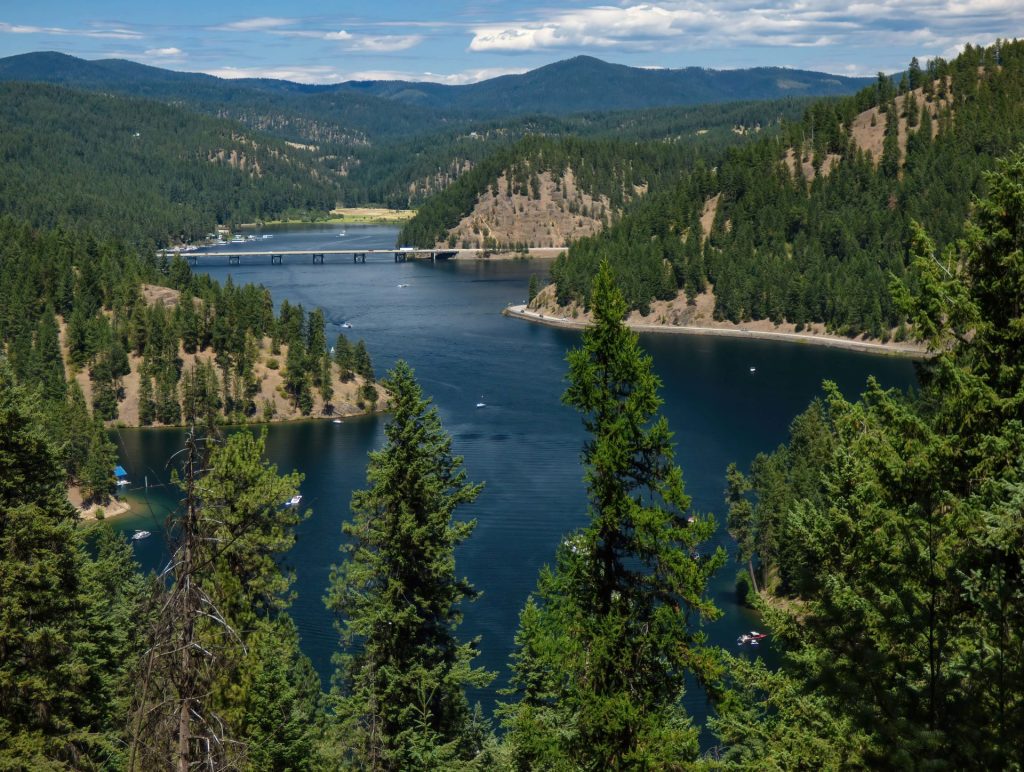
Planning a Coeur d’Arlene getaway sounds simple until you’re juggling accommodation options, seasonal crowds, and a dozen different booking platforms. Most travelers arrive hoping to escape the chaos of planning, only to discover that picking the right place to stay makes the entire difference between a relaxing retreat and a frustrating scramble. That’s where preparation and knowing what really matters transforms your trip from stressful to seamless, and resources like The Complete Guide for Your Idaho Adventure help you skip the guesswork and focus on what matters: enjoying pristine alpine scenery, world-class fishing, and genuine mountain hospitality.
Key Takeaways
- Coeur d’Alene’s peak season runs June through September, but spring and fall offer fewer crowds and equally stunning weather
- Accommodation reliability depends on whether your rental has professional on-site support and responsive hosts who treat guest communication as a priority
- Timing your visit around local events (festivals, fishing seasons, water activities) dramatically increases the chances of a memorable experience
- Understanding the geography of Coeur d’Alene’s neighborhoods helps you choose lodging that matches your trip’s actual purpose
Why This Matters
Coeur d’Alene has exploded as a vacation destination over the past five years. The small mountain town now draws travelers from across North America seeking outdoor recreation, lakeside relaxation, and escape from urban noise. But that popularity has created a hidden problem: the marketplace is crowded with vacation rentals and hotels, and quality varies wildly. Some properties are professionally managed with responsive hosts available 24/7. Others are owned by absentee landlords who take days to respond to guest requests. Some listings show accurate photos and amenities; others deliver disappointment on arrival.
The difference between a forgettable trip and one you’ll revisit for years often comes down to a single decision: choosing a property whose owner or management team actually cares about guest experience. When your accommodation runs smoothly, your entire vacation improves. When it doesn’t, even the best hiking trails and restaurants can’t save the trip.
Where to Stay in Coeur d’Alene: Beyond the Generic Options
Coeur d’Alene’s lodging falls into a few clear categories, and each serves different travel styles.
Lakefront Resorts and Hotels
The town’s most visible accommodations cluster around the waterfront. Hotels like the Coeur d’Alene Resort offer historic charm and direct lake access, but they come with resort pricing and the noise of busy public areas. These work well if you want a one-stop experience with restaurants and activities on-site, but they lack the privacy and kitchen facilities that many families and groups prefer.
Downtown Boutique Lodging
The rebuilt downtown core has attracted small inns and intimate hotel conversions. These properties capture the local character and put you walking distance from shops, galleries, and restaurants. However, downtown lodging tends to be louder (evening activity in the streets continues into the night) and smaller, which can feel confining during a multi-day stay.
Vacation Rentals in Residential Neighborhoods
This is where many smart travelers find their best value. Homes and apartments scattered through neighborhoods like Ramsey (on the outskirts), Tubbs Hill, and the quieter residential blocks offer full kitchens, multiple bedrooms, and often private outdoor space. Pricing is competitive, especially outside peak season. The catch is consistency: some rentals are immaculate and professionally managed; others are neglected or poorly communicated. The difference hinges entirely on whether the property owner treats guest experience as a core responsibility.
Mountain Cabin and Rural Properties
If you want genuine seclusion, properties in the surrounding forests and small towns like Sagle offer an authentic mountain experience. These work for travelers seeking silence and natural beauty, but they require driving into town for services and typically lack the reliable internet and modern amenities that many vacationers now expect.
The Hidden Logistics That Make or Break Your Trip
Travelers often focus on what a property looks like in photos, forgetting that the operational details determine whether your stay feels effortless or exhausting.
Guest Communication and Support
When you arrive and the key lock is jammed, or the WiFi isn’t working, or you have questions about local restaurants and attractions, does someone respond within an hour or a day? Properties with professional on-site teams or dedicated support staff solve problems before they derail your plans. Absent landlords who check email once daily create stress that a beautiful view cannot offset.
Cleaning and Turnover Standards
A home’s cleanliness speaks volumes. Professional properties maintain consistent standards because someone is inspecting between guests. Owner-managed properties sometimes cut corners because life gets busy. Check recent reviews for mentions of cleanliness, and be skeptical of glowing photos that don’t match guest feedback.
Maintenance and Reliability
Heating systems, hot water, appliances, and plumbing should work flawlessly. Properties that invest in regular inspections catch problems before guests discover them. Old properties without preventive maintenance become vacation disasters when something breaks mid-stay.
Local Knowledge and Responsiveness
A good property host knows the area and can recommend restaurants that locals actually frequent, point you toward lesser-known hikes, and warn you about seasonal limitations (some roads close in winter; some attractions close on Mondays). Absentee owners often cannot answer these questions.
What to Actually Do: The Real Coeur d’Alene Experience
Coeur d’Alene’s appeal rests on a few core activities that draw most visitors.
The Lake and Water Recreation
Coeur d’Alene Lake is the gravitational center of the region. In summer, travelers fish, kayak, paddleboard, and take scenic cruises. Swimming and beach time are popular. The 3.1-mile scenic boardwalk offers walking, biking, and sunset views. Water activities dominate June through September; in winter, the lake becomes too cold for casual recreation, so plan accordingly.
Hiking and Mountain Recreation
Tubbs Hill provides accessible trails within minutes of downtown. More challenging hikes exist in the surrounding mountains and national forests. Fall colors (September and October) attract serious hikers. Winter brings snowshoeing and cross-country skiing. Spring mud can make trails difficult, so timing matters.
Fishing
Coeur d’Alene is famous for freshwater fishing, particularly Kokanee salmon, trout, and pike. Fishing seasons vary by species and location. Spring and fall are peak seasons. If fishing is your purpose, book during the right season and research regulations before arriving.
Dining and Local Culture
The downtown revival has brought quality restaurants and breweries. Local favorites include farm-to-table dining, craft breweries, and casual lakeside cafes. Most are concentrated downtown, within walking distance of the waterfront. Reservations are recommended in peak season (July and August), as tables fill quickly.
Events and Seasonal Festivals
Coeur d’Alene hosts several annual events. The Festival at Sandpoint (classical music, August) draws crowds. Farmers markets run spring through fall. Winter holidays bring tree lightings and small festive events. Timing your visit to coincide with a festival you enjoy (or avoiding crowds if you prefer solitude) requires checking the local calendar before booking.
A Real Example: The Family That Got It Right
Consider a family of four planning a week-long summer vacation. They book a three-bedroom vacation rental in a quiet residential neighborhood, selected because recent reviews emphasized the owner’s responsiveness and the property’s reliable WiFi and fully stocked kitchen. They arrive on a Saturday in July, check in easily, and discover cold drinks in the fridge and a welcome note with restaurant recommendations. During their stay, the kids swim at the public beach while parents kayak. They catch dinner at a recommended brewpub downtown. When the youngest gets sick one afternoon, the property owner quickly connects them with a local urgent care clinic. The family extends their trip by two days and leaves convinced they’ve discovered their ideal mountain town.
Compare that to a family who booked a cheaper downtown hotel with outdated amenities and a distant owner. They faced noise from nearby bars each night, no kitchen for breakfast or snacks (forcing them to eat out for every meal), and slow responses to questions about activities. By day three, they were ready to leave.
The difference wasn’t the town. It was the quality of their accommodation and the professionalism of the person managing it.
Actionable Takeaways
- Decide what season fits your preferences. June through September offers warm weather and full activity calendars; spring and fall provide fewer crowds and lower prices; winter is best for those seeking solitude and snow sports.
- Identify your core activity (lake recreation, hiking, fishing, dining, relaxation) and choose lodging nearby. A waterfront property makes sense for beach lovers; a mountain cabin suits hikers; a downtown location suits restaurant and gallery enthusiasts.
- Read recent reviews carefully, focusing on comments about responsiveness, cleanliness, and whether guests felt supported. Ignore generic praise; look for specific details about communication and problem-solving.
- Confirm that your chosen property has reliable WiFi, modern heating and cooling, and functioning appliances. Call or message the owner with a specific question before booking to gauge response time.
- Check the local event calendar and seasonal considerations (road closures, fishing seasons, weather patterns) before finalizing your dates.
- Book accommodations with professional management or responsive local owners, not distant landlords. The $50 or $100 you might save by choosing a cheaper, neglected property will cost you in stress and wasted vacation days.
Conclusion
Coeur d’Alene deserves its reputation as a world-class mountain destination. The lake, trails, and community are genuinely special. But getting there and enjoying it fully requires planning that goes beyond pretty photos and low prices. Your accommodation choice sets the tone for everything else. When you prioritize reliability, responsiveness, and local expertise, your entire trip improves. When you chase the cheapest option or ignore warning signs in reviews, you’re gambling with days you can’t get back. The best Coeur d’Alene vacations belong to travelers who invested time upfront in choosing right.
FAQ
When is the best time to visit Coeur d’Alene?
The best time depends on your preferences. Summer (June through August) offers warm weather and full activity calendars but comes with peak crowds and higher prices. Fall (September and October) provides stunning colors, mild weather, and fewer tourists. Spring (April and May) brings wildflowers and hiking season but occasional rain and mud. Winter (November through March) is quiet and beautiful for those seeking solitude, but most water activities close and some mountain roads become inaccessible.
How much should I expect to pay for vacation rental lodging?
Vacation rental prices vary by season, location, and amenities. Summer peak season (June through August) typically ranges from $150 to $300 per night for a basic two-bedroom home in a residential area. Off-season rates (November through April) drop to $80 to $150 per night for similar properties. Downtown and lakefront properties cost 30 to 50 percent more. Prices spike during major events like the Festival at Sandpoint. Booking at least six weeks in advance generally locks in better rates.
What should I pack for a Coeur d’Alene trip?
Packing depends on your season and activities. Summer requires light clothing, sunscreen, and water shoes for lake activities. Fall and spring require layers (mornings and evenings are cool, afternoons warm). If you’re hiking, bring proper footwear, a headlamp, and water. Winter requires heavy coats, hats, and gloves. Year-round, bring a light rain jacket because mountain weather changes quickly. For lake activities, bring quick-dry clothing and towels. Leave fancy dining clothes home; Coeur d’Alene dining is mostly casual.
Is Coeur d’Alene suitable for families with young children?
Yes, Coeur d’Alene works well for families. The public beach and shallow areas of the lake are child-friendly. Many hikes offer kid-accessible distances and views. Restaurants are accommodating. However, choose your accommodation carefully: a vacation rental with a kitchen and outdoor space reduces stress compared to a small hotel room. Downtown lodging can be noisy at night. Rural cabins lack nearby services. A family-focused rental in a quiet residential neighborhood offers the best experience.
Do I need a car to get around Coeur d’Alene?
A car is essential. Coeur d’Alene sprawls across several miles, and public transportation is minimal. Hiking trailheads, fishing access points, and many restaurants are outside walking distance. Parking downtown and at popular spots can be tight during peak season, but it’s available. If you’re renting a car for your trip, budget extra time for parking and plan to explore the surrounding forests and small towns, which require driving.
What is Coeur d’Alene known for besides the lake?
Coeur d’Alene is known for excellent fishing, particularly for freshwater species like Kokanee and trout. The surrounding mountains offer world-class hiking and backcountry access. The historic gold rush and mining heritage is preserved in local museums and nearby towns. The rebuilt downtown has gained recognition for its restaurants, galleries, and craft breweries. The natural beauty and outdoor recreation lifestyle attract professionals seeking remote work and relocation. The area’s accessibility (three hours from Spokane, five hours from Boise) makes it a popular weekend destination for regional travelers.





Leave A Comment