
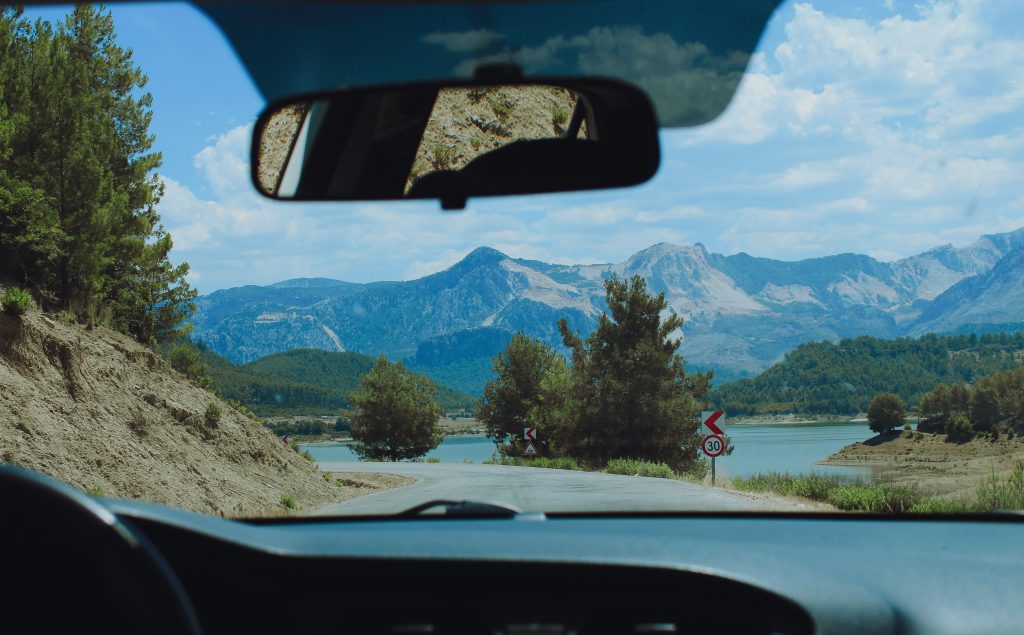
Planning a road trip around the Great Lakes means getting ready for breathtaking views, endless coastal drives, and unforgettable stops. These five massive lakes span 4,530 miles of coastline, more than the U.S. East and Gulf coasts combined. Even more amazing, they account for 21 percent of the world’s fresh surface water.
Beyond their sheer beauty, these waters power the local communities you will visit along the way. The U.S. Great Lakes maritime economy plays a major role in the region, supporting 311,000 jobs across industries ranging from tourism and recreation to marine transportation.
Whether you want to explore hidden beaches, check out historic lighthouses, or enjoy vibrant waterfront cities, putting together the ultimate route does not have to feel overwhelming.
Here are a few simple steps to plan your perfect Great Lakes getaway.
Choose Your Route and Lakes
Driving around all five Great Lakes takes three weeks or more, so picking one or two lakes makes for a much better trip. Lake Michigan offers sandy dunes and charming beach towns, while Lake Superior delivers quiet, rugged views.
Lake Erie is another fantastic choice. USA Today’s 10Best recently crowned Lake Erie the No. 1 lake in America for the second time in two years. Touching New York, Pennsylvania, Ohio, and Michigan, this magnificent spot also earned the 2026 title of second-best lake for water sports in the country.
Once you choose your lakes, decide whether you want a loop or point-to-point route. This decision will affect your mileage, stops, and accommodation bookings.
Pick the Right Time of Year
The time of year can shape your entire Great Lakes road trip. Summer is ideal if you want warm water, beach days, and easy access to island ferries, but expect larger crowds and higher prices.
Fall brings colorful foliage and generally quieter roads and attractions, particularly across Michigan and Wisconsin, making it a great choice for a scenic drive. Winter offers a completely different experience, with frozen waterfalls, icy shorelines, and ice caves. However, you will need to prepare carefully for snow, freezing temperatures, and difficult driving conditions.
For first-time visitors, late June through early September is usually the easiest window for a comfortable trip, with warmer weather and most attractions operating normally. Before booking, check the seasonal conditions and opening schedules for the specific places you plan to visit.
Set a Realistic Timeline
A rushed road trip rarely feels relaxing. Map out your available days, then set aside at least one buffer day for weather delays or spontaneous stops. Aim for no more than four to five hours of driving per day so you have time to enjoy local towns and parks along the way. A 7- to 10-day trip is the sweet spot for covering one major lake without constantly rushing to your next hotel.
Rushing on the road also carries serious risks. For instance, recently, a collision on Airport Highway in south Toledo sent three people to the hospital when a car turning onto Bronx Drive was struck by a passing vehicle. If you are injured in an accident caused by another driver’s negligence, legal assistance from a personal injury lawyer in Toledo, can help.
Zoll & Kranz, LLC explains that being injured because of someone else’s negligence can have a significant impact on your life. You may face unexpected medical expenses, time away from work, and added pressure from insurance companies. Filing a claim helps protect your rights and secures the compensation you need to recover.
Map Out Key Stops and Detours
The best road trips leave some room for discovery. Start by making a flexible list of must-see stops based on your chosen route.
Along the Great Lakes, this could include Sleeping Bear Dunes, Mackinac Island, Pictured Rocks National Lakeshore, or the many historic lighthouses along Lake Huron’s coast. You do not need to plan every minute of your journey, though. Leave some space for unexpected finds, whether that means stopping at a roadside diner, taking a short hike, or pulling over at a scenic viewpoint.
It is tempting to pack as many attractions as possible into your itinerary, but doing so can turn a relaxing drive into a race from one stop to another. Instead, choose a manageable number of key destinations and give yourself enough time to enjoy each one without constantly checking the clock.
Book Accommodations Early
Lakeside destinations can fill up quickly during the peak summer and fall foliage seasons. Booking well in advance can help you secure a cozy waterfront stay instead of having to settle for a motel farther inland. If your trip includes ferry destinations such as Mackinac Island or the Apostle Islands, reserve your tickets early too. Popular sailings can fill up, while rough weather may lead to cancellations.
Early planning is especially useful when visiting some of the region’s most popular towns. WorldAtlas named seven of the coolest towns in the Great Lakes for a summer vacation, including Ashland, Wisconsin, known for its Lake Superior views and downtown murals.
Michigan City, Indiana, serves as a gateway to Indiana Dunes National Park, while Port Clinton, Ohio, is known as the Walleye Capital of the World. Booking ahead lets you enjoy these destinations without last-minute lodging worries.
Budget for Gas, Lodging, and Activities
A Great Lakes road trip can be more affordable than flying, but costs can add up quickly when you factor in fuel, accommodation, food, and activities. Gas deserves particular attention right now.
A recent Insurify survey found that 69% of Americans are driving less to cope with high gas prices, up from an earlier Gallup poll showing 54% had done the same. Regular unleaded gasoline averaged $4.08 a gallon in August this year, compared with $2.98 before the Iran war in February.
Build your budget around your expected mileage and current fuel prices, then add lodging, meals, park fees, and activities such as boat tours. Consider camping or cabins in popular areas, which can be cheaper than hotels. Also account for seasonal price changes, as lakeside accommodation can cost significantly more during peak summer weekends.
Pack Smart and Check Your Vehicle
Before you leave, have your vehicle checked, paying particular attention to the tires, brakes, and fluid levels. A breakdown in a remote lakeside area can be much harder to deal with than one in a city.
Vehicle safety starts with your tires, and AAA lead mechanic Alonso Ramos stresses that worn tread can affect more than just wet-weather traction. He compares worn tires to shoes that have lost their grip, highlighting why checking their condition before a long drive matters.
Pack a basic emergency kit with jumper cables, a flashlight, water, and blankets, especially when traveling during the shoulder seasons, when weather can change quickly. It is also smart to carry a phone charger, first-aid supplies, and any medications you may need. Finally, pack layers rather than relying on a single warm outfit, as temperatures near large bodies of water can differ significantly from inland forecasts.
FAQs
How long does a Great Lakes road trip take?
For a focused Great Lakes road trip, 7 to 10 days is a good starting point. This gives you enough time to explore one major lake, make several scenic stops, and avoid spending most of your trip behind the wheel. Trying to cover all five lakes requires considerably more time.
What is the best time of year for a Great Lakes road trip?
Late June through early September is generally the easiest time for a first Great Lakes road trip, thanks to warmer weather and more attractions operating normally. Fall is a good choice for colorful foliage and fewer crowds, while winter offers unique scenery but requires greater preparation for snow and icy roads.
Which Great Lake is best for a road trip?
There is no single answer because it depends on what you want to see. Lake Michigan is a strong choice for beaches, dunes, and charming coastal towns, while Lake Superior is better suited to travelers looking for rugged scenery and quieter surroundings. Lake Erie is another option for travelers interested in water activities and waterfront communities.
Great Lakes Road Trip Statistics at a Glance
| Great Lakes coastline | 4,530 miles |
| Share of the world’s freshwater | 21% |
| Americans driving less because of high gas prices | 69% |
| Americans who reported driving less in the earlier Gallup poll | 54% |
| Average regular unleaded gas price cited in the article | $4.08/gallon |
| Regular unleaded price before the Iran war cited in the article | $2.98/gallon |
A Great Lakes road trip does not need to be complicated to be memorable. Choose a route that fits your schedule, plan your key stops, set a realistic budget, and book key stays in advance. Preparing your vehicle and packing for changing weather can also help you avoid unnecessary stress along the way.
At the same time, leave some room for spontaneity. A scenic detour, charming lakeside town, or unexpected roadside stop may end up being one of the highlights of your trip. With a little planning and plenty of flexibility, you can spend less time worrying about logistics and more time enjoying the Great Lakes, one beautiful stretch of shoreline at a time.




Leave A Comment