
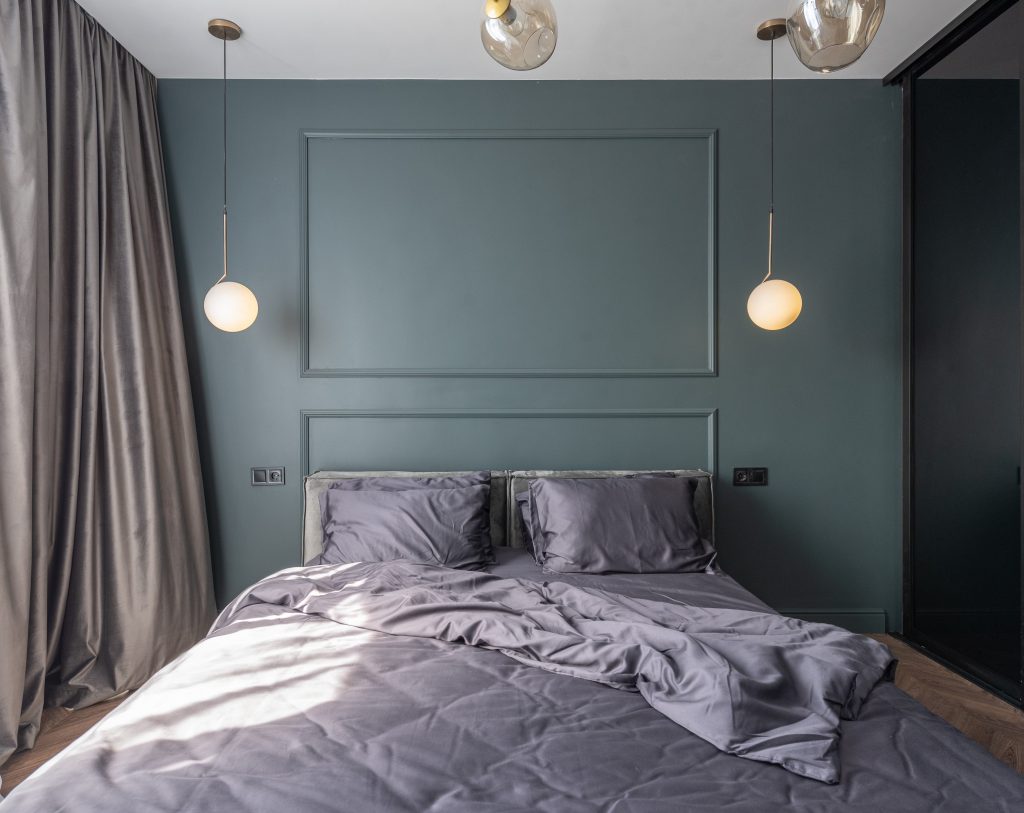
 We’ve all booked a hotel on looks alone, swayed by a nice lobby or a rooftop pool, only to spend the nights tossing and turning on a dreadful bed in a noisy room. If sleep is what you’re really after, and on a busy trip it often is, then choosing a hotel deserves a bit more thought than just the photos and the price. The good news is the clues are usually there if you know where to look. Here’s how to pick somewhere you’ll actually sleep. It only takes a few extra minutes at the booking stage, and honestly, it can be the difference between a trip you remember fondly and one you spend permanently, grumpily exhausted, dragging yourself around the sights on no sleep.
Read Between the Lines of Reviews
Start by reading between the lines of the reviews, because past guests will tell you what the listing won’t. Skim past the glowing one-liners and look specifically for mentions of sleep: comfy beds, quiet rooms, thick curtains, or the opposite, complaints about thin walls, street noise, and lumpy mattresses. If several people mention being kept awake, believe them, because that’s exactly the kind of thing a brochure will never admit to but a tired guest will happily warn you about.
Ask About the Bed
Don’t be shy about asking the hotel directly about the bed, since it’s the single most important thing in the room for a good night’s sleep. The best hotels take their beds seriously and invest in well-made beds for a restful room, knowing that a comfortable, supportive bed is what turns a one-off guest into a returning one. If a hotel is proud of its beds, it’ll happily tell you about them, and if the answer is vague or defensive, that tells you something too.
Think About Noise, Not Just Location
Location is about more than convenience, it’s about noise. A hotel slap in the middle of the nightlife district might be handy for going out, but it can be a nightmare when you’re trying to sleep and the bar downstairs is thumping until 3am. Think about what’s around the hotel and when it gets loud, and if you’re a light sleeper, lean towards somewhere a little removed from the action, or at least ask for a room away from the street and the lifts.
Check How Dark It Gets
Darkness is underrated until you’re lying awake at 5am because the curtains don’t meet in the middle. Proper blackout makes a huge difference, especially in summer or in cities that never fully switch off, so it’s worth checking reviews for mentions of light leaking in. A room that stays genuinely dark lets you sleep past dawn and nap when you need to, whereas thin curtains and a glowing city outside can have you up with the sun whether you like it or not.
Can You Control the Temperature?
Temperature control is another quiet dealbreaker. A room you can’t cool down, or heat up, is a recipe for a restless, sweaty, or shivery night, and plenty of hotels have systems that are either baffling or barely functional. Reviews will often mention if the air conditioning is useless or the heating can’t be turned down, so keep an eye out. Being able to set the room to a comfortable, cool sleeping temperature is worth more to your night than almost any fancy amenity.
Avoid the Rooms Above the Bar
As a general rule, be wary of rooms above or beside anything noisy. A room over the bar, next to the lift, above the kitchen, or facing a busy road is asking for a disturbed night, however nice the hotel is otherwise. When you book, or when you check in, it’s completely reasonable to ask for a quiet room, high up, away from the street and any communal areas. Most hotels will do their best to accommodate it if you simply ask nicely.
Pack a Small Sleep Kit
It’s worth packing a small sleep kit just in case, because even the best-researched hotel can surprise you. An eye mask, earplugs, and maybe your own pillowcase weigh almost nothing and can rescue a night in a room that turns out brighter or noisier than promised. Think of it as insurance, a tiny bit of effort that means you’re never entirely at the mercy of whatever room you end up in, and you can sort yourself out rather than lying there fuming.
Look at the Room Photos Closely
The room photos hide as many clues as they reveal, if you look properly. Check whether the windows have proper curtains or flimsy voiles, whether the bed looks generous or squeezed in, and whether the room seems to face something quiet or looks straight out onto a busy street. Hotels pick their most flattering angles, so a room that still looks cramped or bright in the official photos will only be more so in real life, which is well worth knowing before you book rather than after.
 Consider the Type of Hotel
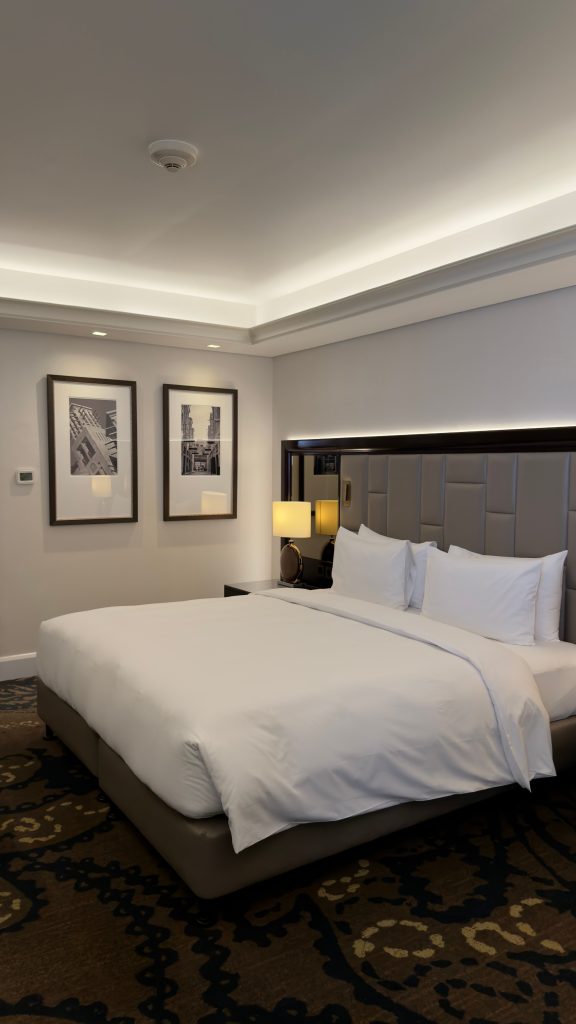
The kind of hotel often tells you a lot about the kind of night you’ll get. Business hotels, for all they can feel a bit soulless, tend to take sleep seriously because their guests need to be sharp the next day, so the beds and blackout are frequently excellent. Lively, party-oriented spots may look fun but rarely prioritise a quiet night. Matching the type of hotel to your actual priority, which is rest, saves you booking somewhere that was never going to deliver it in the first place.
Book With Rest in Mind
Choosing a hotel that helps you sleep really comes down to looking past the surface. Read the reviews for what they say about rest, ask about the bed, think about noise and darkness and temperature, and request a quiet room when you can. A little effort at the booking stage means you spend your trip well rested and ready to enjoy it, rather than counting the cracks in the ceiling at 4am wishing you’d chosen somewhere else entirely. A good night’s sleep really is the foundation of a good trip, so it’s well worth choosing your hotel with that firmly in mind, rather than leaving something so important entirely to luck and a nice-looking lobby. It’s the least glamorous thing to book on, and quietly the most important one of the lot.





Leave A Comment