
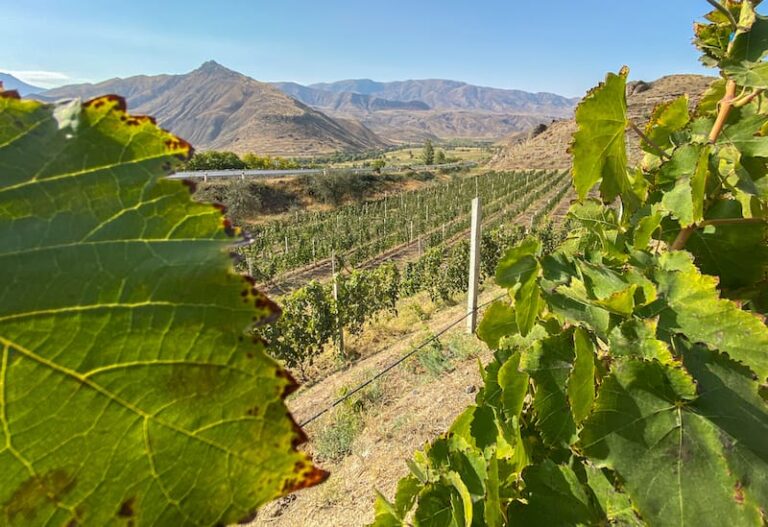
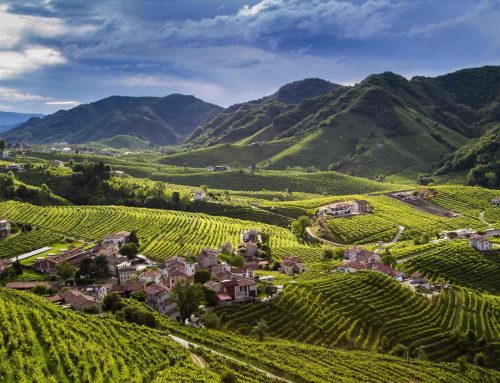
Vineyards and hillside views in Armenia — sourced from Absolute Armenia
Armenia has been quietly sitting at the center of wine history for thousands of years, and only recently is it getting the attention it deserves. This is one of the world’s oldest winemaking regions — not in theory, but in practice — with evidence of winemaking dating back more than 6,000 years in the Areni-1 cave.
What makes Armenia so compelling right now is the contrast: ancient roots paired with a new generation of producers who are thoughtful, precise, and forward-thinking.
 Vineyards here sit at serious elevation — often between 3,300 and nearly 6,000 feet — planted in volcanic soils rich in basalt and tuff. Days are warm and sun-filled, nights cool dramatically, and that natural temperature swing delivers wines with vivid acidity, tension, and mineral drive. After decades of stagnation during the Soviet era, Armenia is in the middle of a genuine wine renaissance, and its native grapes are finally being allowed to speak clearly.
Getting to know Armenia’s grapes
Areni is the red grape that defines Armenia. It’s late-ripening and thrives in rocky, volcanic terrain, producing wines that are bright, lifted, and savory. I often think of Areni as sitting somewhere between Pinot Noir and something darker and more earth-driven — red berries, fresh acidity, subtle spice, and an elegance that surprises people the first time they taste it.
Kakhet plays a supporting but important role. It brings deeper color, floral tones, and structure — the kind of tannic backbone that gives Areni blends more seriousness and aging potential. If Areni is about finesse, Kakhet adds quiet strength.
On the white side, Voskehat is the standout. Often referred to as Armenia’s “golden grape,” it has thick skins and vines that can live for generations. The wines tend to show floral aromatics, stone fruit, and a distinctly mineral edge — not heavy, but textured and layered. Other native whites like Khatuni, Qrdi, and Garan Demak contribute
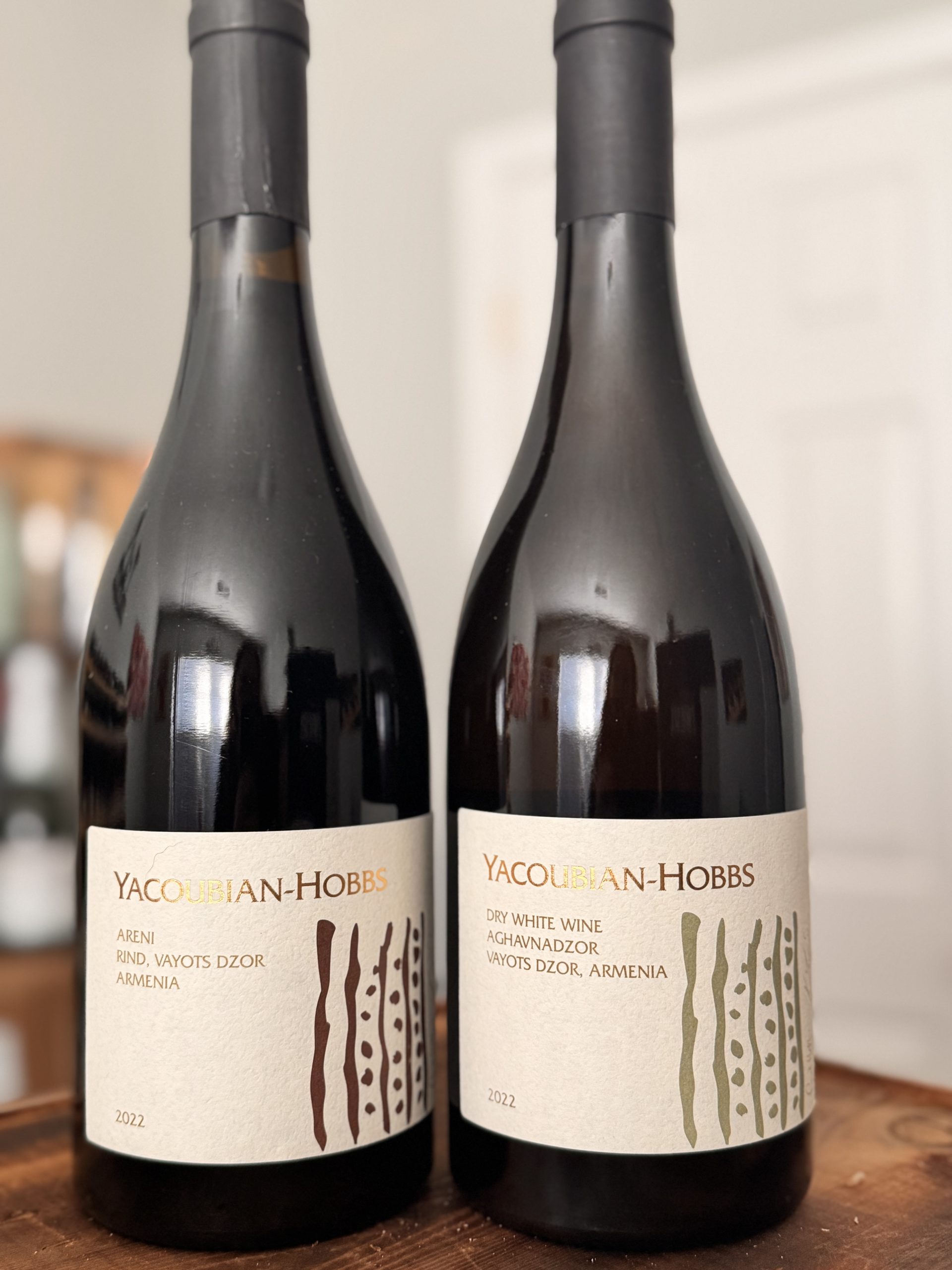
Photo Via Absolute Armenia
freshness and acidity, often used to add lift and balance in blends.
Yacoubian-Hobbs
The Yacoubian-Hobbs project is a perfect example of Armenia’s new direction. What began as curiosity turned into a serious collaboration, with high-altitude vineyards planted near Rind and Aghavnadzor in some of the country’s most compelling volcanic sites.
The approach here is refreshingly restrained. The focus is on site expression and grape purity rather than heavy winemaking signatures. Most fermentations take place in stainless steel to preserve freshness and clarity, with selective use of neutral French oak when additional texture or depth makes sense. The goal is not to modernize Armenia’s wines beyond recognition, but to present them cleanly and honestly.
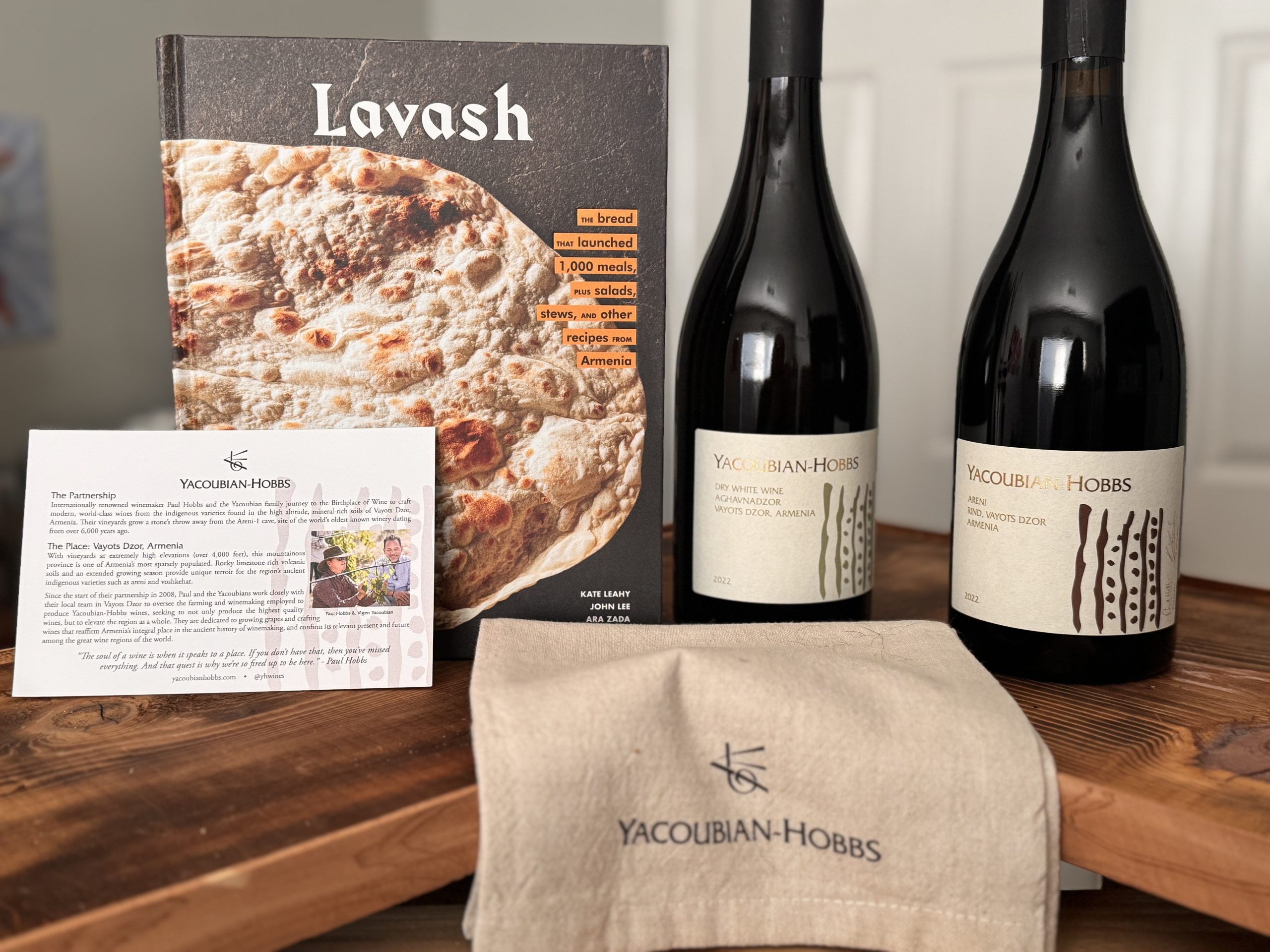
I especially loved that the winery sent me two stunning wines which you’ll read about below, but along with the two wines, they sent a beautiful book dedicated to lavash, Armenia’s ancient flatbread. Lavash is more than bread — it’s a cornerstone of Armenian food culture, traditionally baked thin and crisp, then softened again with water and wrapped around herbs, cheese, and grilled meats. Seeing lavash presented alongside these wines felt intentional and grounding, a reminder that Armenian wine has always existed at the table, woven into everyday life and hospitality rather than separated from it. I will one day try making some of the recipes from this book, but for now had to taste the wines (of course)!
 2022 Dry White – Voskehat
This is a 100% Voskehat sourced from high-elevation vineyards, and it immediately shows why this grape matters. In the glass, it leans golden-straw with lifted floral aromatics — white flowers, quince, lemon peel — followed by stone fruit and subtle herbal notes. On the palate, the wine is vibrant and precise. Think honeysuckle, melon, green apple, and a firm line of acidity that keeps everything focused. There’s a flinty, mineral undercurrent that carries through the finish, which lingers with peach and apricot notes. This is a white wine that handles food beautifully — especially grilled fish, herb-driven dishes, and even spiced or savory flatbreads. Used my Coravin this for a sip, it’s phenomenal… and going to enjoy it with a friend this month!
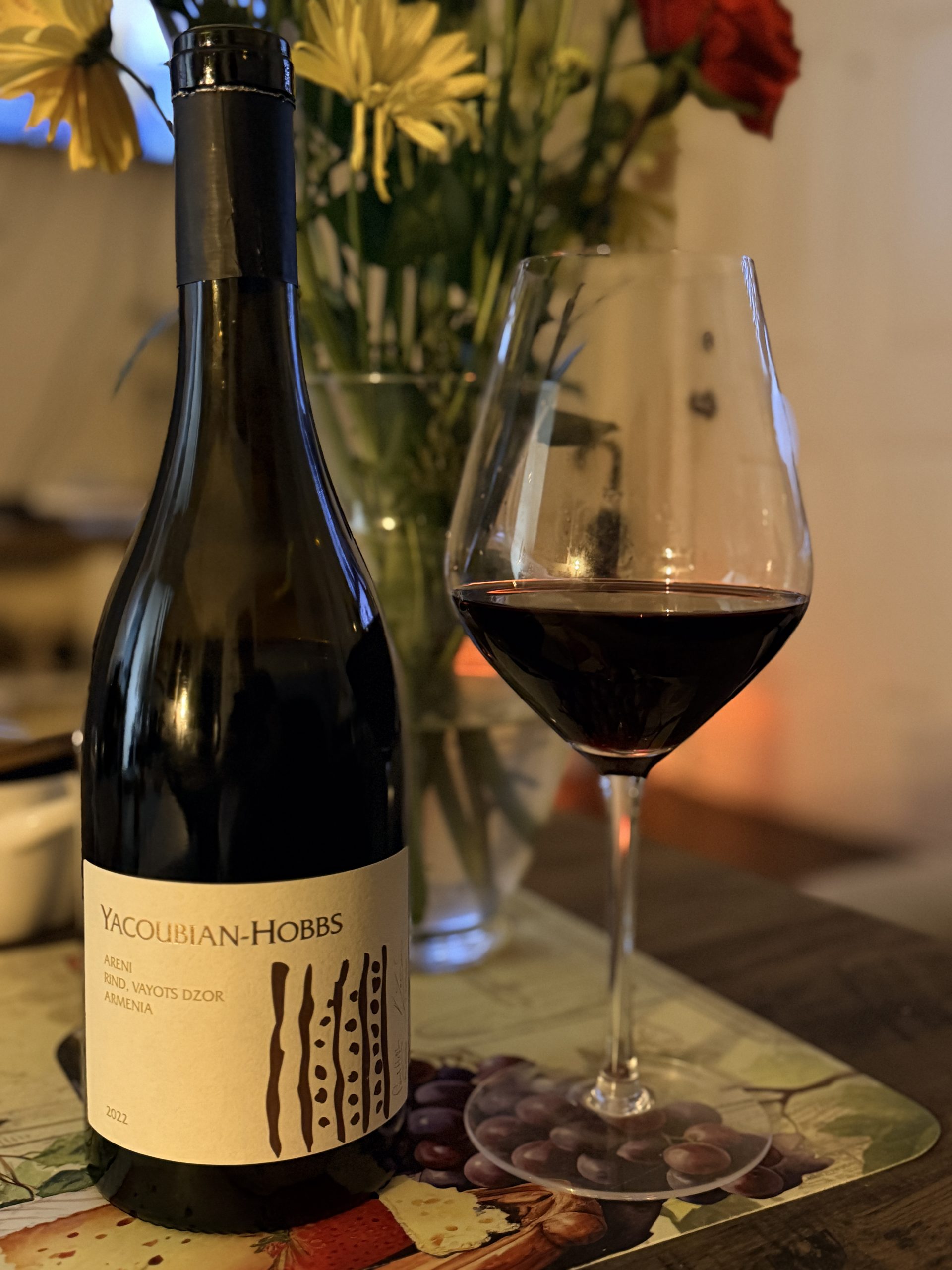
2022 Areni Dry Red
This blend of Areni with a touch of Kakhet shows exactly how graceful Armenian reds can be. Aromatically, it opens with wild cherry, pomegranate, and violet, layered with cracked pepper and fresh herbs. The palate is medium-bodied, incredibly smooth, and energetic, with juicy red fruit framed by silky tannins and a mineral spine. Kakhet quietly adds depth and structure, hinting that this wine will continue to evolve over the next several years. Slightly chilled, it’s fantastic with lamb, duck, or mushroom-forward dishes. See IG for my reel pairing.
Armenia checks every box for wine lovers who crave discovery: phylloxera-free vineyards, extreme elevation, volcanic soils, and indigenous grapes you won’t find anywhere else. What stands out most in these wines is how complete they feel — polished but not overworked, expressive yet grounded.
There’s an undeniable sense of place here. These wines feel ancient and alive at the same time, offering something genuinely different in a global wine landscape that can often feel repetitive. For sommeliers looking to spark conversation or drinkers eager to explore beyond the familiar, Armenia isn’t just interesting — it’s essential.
Always remember, eat what you like and drink what you love. Please pair responsibly!



Leave A Comment