
Photo Via Pexels
Reno is not the first city that comes to mind for a wine weekend. Its reputation rests on casinos, neon and the slogan “The Biggest Little City in the World,” and none of that suggests a sommelier’s itinerary. Look a little closer, though, and the picture changes. Reno has a lively wine bar scene, a Basque food tradition with its own signature cocktail, a handful of high-desert vineyards within an hour’s drive and California’s Sierra Foothills wine country close enough for a day trip. Add Lake Tahoe, an hour away, for a long lunch with one of the best views in the West, and the result is a surprisingly rewarding long weekend for anyone who plans their travels around the glass.
Choosing a Base
Where to stay shapes the whole weekend. Downtown and the Riverwalk District put wine bars, restaurants and the Truckee River within walking distance, which matters when the evenings involve tastings. Midtown, just south, has the city’s most interesting independent restaurants and bars. Starting the search in Reno itself makes it easier to find your perfect hotel, whether that means a riverside boutique property, a casino resort with a serious steakhouse wine list or a calmer spot close to Midtown. Reno rates are generally far kinder than lakeside lodging in Tahoe, which leaves more room in the budget for bottles.
Friday: Midtown and the Riverwalk
Arriving on Friday afternoon allows an easy first evening. The Riverwalk District runs along the Truckee River through downtown, with tasting rooms, wine bars and restaurants close together. The district’s long-running Wine Walk, held monthly, turns the area into a moving tasting with participating businesses pouring samples, and it is worth timing a visit around it if possible.
Midtown is the place for dinner. The neighborhood has grown into Reno’s most creative food district, with small plates, natural wine lists and chefs who lean on local produce. Bar seats are often the best seats, giving a chance to chat with the staff about what is open and drinking well.
A Basque Detour
No wine trip to Reno is complete without a meal rooted in the city’s Basque heritage. From the late 1800s, Basque immigrants came to northern Nevada to work as sheepherders, and the boarding houses that sheltered them evolved into restaurants serving hearty, family-style meals at long shared tables. Louis’ Basque Corner, a Reno institution, keeps that tradition alive with multi-course dinners of soup, salad, beans, bread and a main course such as lamb or oxtail, all served with red table wine.
The signature drink is the Picon Punch, a bittersweet cocktail made with Amer Picon, a French orange-gentian aperitif, plus grenadine, soda water and a float of brandy. True Amer Picon is hard to find in the US, and many bars substitute a similar amaro-style liqueur. It is an unusual pre-dinner drink, bitter enough to wake up the palate and sweet enough to be dangerous.
Saturday: Nevada Wine, Really
Nevada grows grapes, though not many. The high desert, with its hot days, cold nights and short season, makes viticulture challenging, but a few determined producers make it work. About an hour east of Reno in Fallon, Churchill Vineyards is one of Nevada’s best-known estate wineries, growing grapes in the Lahontan Valley and producing wines alongside spirits from its own distillery.
Tasting wines from such an unlikely place is a lesson in how vineyards adapt. Look for freshness and acidity in the whites, a product of the cool desert nights, and a certain rustic energy in the reds. Pair the visit with a stop at a local farm stand, since Fallon is also known for its cantaloupes in late summer.
Or Head for the Sierra Foothills
For a bigger wine day, California’s Sierra Foothills lie about two to three hours southwest of Reno. Amador County, centered on the Shenandoah Valley near Plymouth, is famous for old-vine Zinfandel, some planted more than a century ago. The wineries here are relaxed and friendly, often with the winemaker behind the counter.
El Dorado County, just north, has some of the highest-elevation vineyards in California, producing Rhône varieties, Barbera and crisp whites with real character. Since this is a long day, many visitors prefer to make it an overnight trip, staying in the foothills and returning via Lake Tahoe the next day. A designated driver or a hired guide is sensible on any tasting day with this much road involved.
Sunday: Lunch at the Lake
Lake Tahoe sits at about 6,225 feet, and the altitude makes alcohol hit harder than at sea level. Drinking plenty of water and pacing tastings is wise, particularly after a day in wine country.
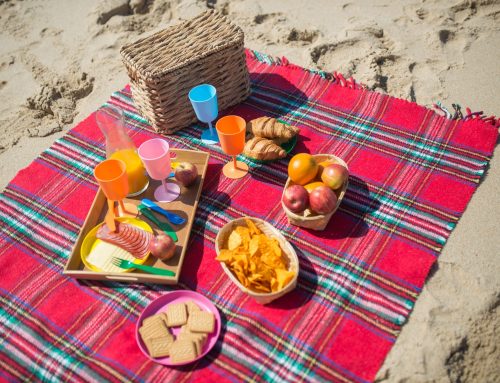
The North Shore, about 45 minutes from Reno, has lakeside restaurants with patios over the water in the warmer months. For something more relaxed, a picnic on one of the beaches or at a scenic overlook is hard to beat. Assembling a travel picnic built around local shops in Reno before setting off, with cheese, charcuterie, good bread and a bottle from the foothills, turns lunch into the highlight of the weekend.
Pairing Notes for the Weekend
Each stop has natural matches. Basque lamb and oxtail call for something rustic and robust, such as a foothills Zinfandel or a Spanish red from Navarra or Rioja. Lake trout or a summer salad by the water suits a bright Sauvignon Blanc or a dry rosé. For a cheeseboard picnic, a lightly chilled Barbera from El Dorado County covers a lot of ground with its acidity and red fruit.
The Picon Punch is best left on its own, ideally with a plate of chorizo and bread and good company at a long table.
When to Go
Late spring through early autumn is the best window, when patios are open, the lake is at its most beautiful and harvest activities in the foothills begin in September and October. Winter brings snow, skiing and cozier evenings, though mountain passes can close in storms and wine country day trips become harder to plan. Holiday weekends and the big summer events fill Reno’s rooms quickly, so booking a few weeks out pays off.
Raising a Glass
Reno will never be Napa, and that is part of its charm. A weekend here mixes Basque tradition, high-desert vineyards and mountain views in a way few wine destinations can, and it tends to leave visitors curious about how much more the region has to offer.




Leave A Comment